
The short answer
ProSweep Chimney Service provides chimney sweeping, inspection, repair, relining, and air duct and dryer vent cleaning throughout Park Slope (11217), about a mile from our Brooklyn office. We work on the brownstones, rowhouses and pre-war apartment buildings common to the neighborhood. We also serve nearby Prospect Heights, Windsor Terrace, South Slope, Carroll Gardens and Cobble Hill.
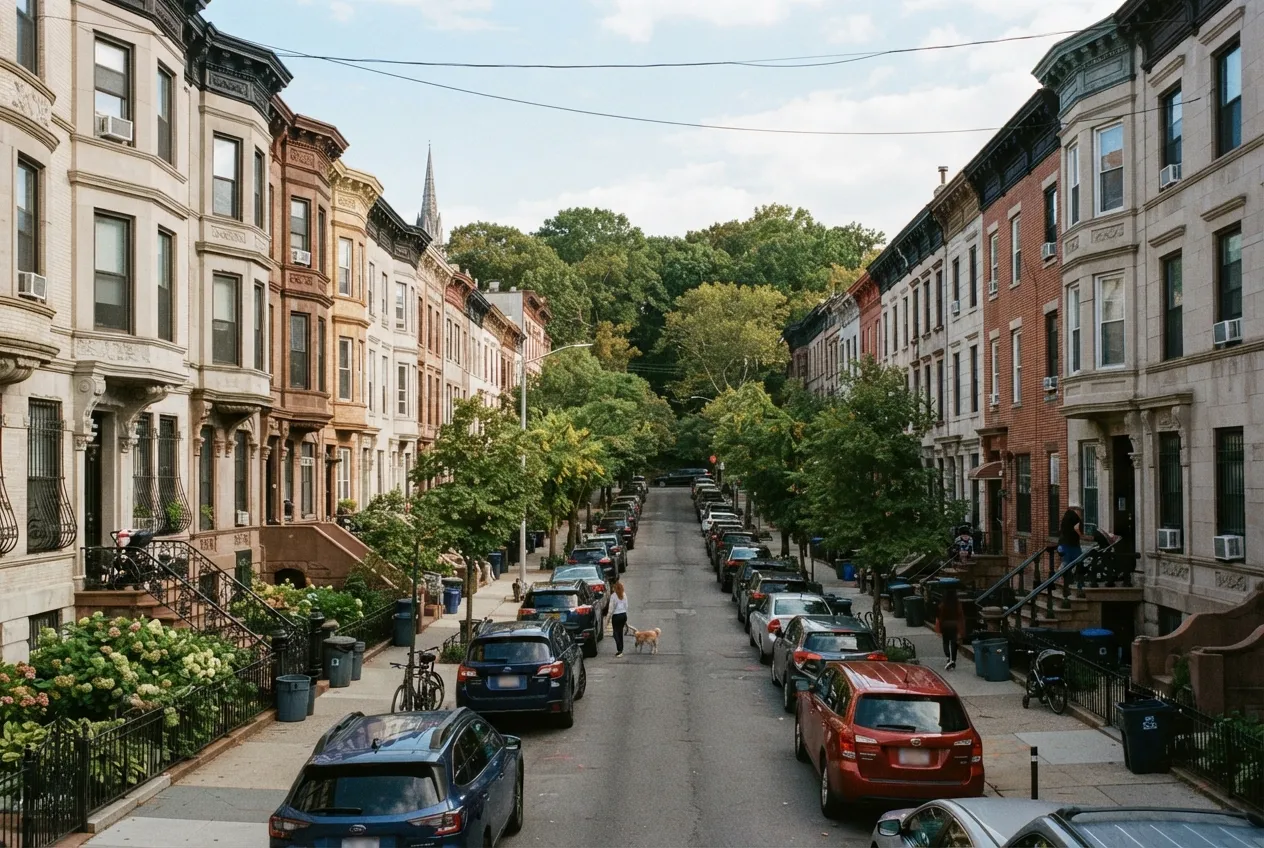
Park Slope sits about a mile east of our Brooklyn office, so ProSweep Chimney Service technicians can reach homes in the 11217 ZIP code without a long trip across the borough. The neighborhood's brownstones, rowhouses and pre-war apartment buildings have many masonry chimneys, some serving fireplaces, some serving boilers, and many serving both. Our certified technicians sweep, inspect, repair and reline those chimneys. We also clean air ducts and dryer vents. This page covers what we typically find in Park Slope housing, how Brooklyn weather wears on chimneys, and which services fit which problems.
Chimneys in Park Slope's Older Homes
Many brownstones and rowhouses have several flues running through a single chimney stack. One flue may serve the heating system and others the fireplaces on upper floors. Some of those fireplaces haven't been used in years, and owners often don't know what shape the flue behind them is in. Mortar joints, clay tile liners and chimney crowns all age. A flue that looks fine from inside the room can have cracks, gaps or debris higher up.
Pre-war apartment buildings raise different questions, usually about the boiler chimney. When a New York City building converts its boiler from oil to gas, the chimney has to be evaluated as part of the work. A new liner is often needed, because gas exhaust produces acidic condensate that can corrode a masonry flue. We install liners sized for the appliance they serve.
How Brooklyn Weather Wears on a Chimney
Brooklyn winters bring repeated freeze-thaw cycles. Water soaks into brick, mortar or a cracked crown, then freezes and expands, widening the gap a little each time. Spring and fall storms drive rain sideways against chimney stacks that rise above flat rowhouse roofs. In humid summer weather, a fireplace that has taken on water can give off a damp, smoky odor.
The main defenses are a cap to keep out rain, animals and debris, sound flashing and crowns, and a breathable waterproofing sealant on exposed masonry. Timing matters too. New York City's heat season runs from October 1 through May 31, and building owners must keep apartments heated to the city's minimum temperatures during that period. Late summer and early fall are good times to check a boiler chimney, before the heat has to stay on.
Services We Offer in Park Slope
Every visit starts with looking at the actual system. Then we explain what we found and what we recommend.
- Chimney Sweep: removal of soot, creosote and debris from fireplace and appliance flues
- Chimney Inspection: Level 1, 2 or 3 inspections, depending on your situation
- Chimney Repair: repointing mortar joints, crown repair and flashing fixes
- Chimney Liner Installation: new liners for oil-to-gas conversions and for damaged clay tile flues
- Chimney Cap & Chase Cover: covers that keep out rain, birds, squirrels and debris
- Chimney Waterproofing: breathable sealant for brick exposed to wind-driven rain
- Fireplace & Damper Repair: dampers that won't close, firebox cracks and smoke problems
- Chimney Rebuilding: partial or full rebuilds of stacks damaged above the roofline
- Air Duct Cleaning: cleaning for ducts with mold growth, vermin or heavy debris
- Dryer Vent Cleaning: clearing lint from long or awkward vent runs
Annual Inspections and the NFPA 211 Standard
The NFPA 211 standard calls for chimneys, fireplaces and vents to be inspected once a year. A Level 1 inspection fits when nothing about the system has changed. A Level 2 inspection is called for when the system changes, such as a new appliance or a switch of fuel, or when the home is sold. Park Slope buyers and sellers should plan for one. A Level 3 inspection is reserved for cases where a hidden hazard can only be reached by opening part of the chimney or building.
Dryer Vents and Air Ducts
According to the U.S. Fire Administration, failure to clean is the leading factor contributing to clothes dryer fires in homes. In rowhouses, laundry is often in the basement or a back room, and the vent may run a long way before it reaches the outside. Lint builds up along the way. If drying takes longer than it used to, the vent is worth checking.
For air ducts, we follow EPA guidance. The EPA advises cleaning when there is substantial visible mold growth, vermin, or excessive dust and debris. It also notes that duct cleaning has not been shown to prevent health problems. If your ducts don't need cleaning, we'll say so. The EPA also recommends researching the process before responding to very cheap advertised offers, and being careful with chemical treatments.
Nearby Neighborhoods We Serve
Besides Park Slope, we regularly work in Prospect Heights, Windsor Terrace, South Slope, Carroll Gardens and Cobble Hill. Housing in these neighborhoods is similar, with plenty of masonry rowhouses and older apartment buildings, so the same chimney, liner and vent issues come up throughout the area.
ZIP codes we serve
- 11217
Services in Park Slope
- Chimney Sweep in Park Slope
- Chimney Inspection in Park Slope
- Chimney Repair in Park Slope
- Air Duct Cleaning in Park Slope
- Chimney Liner Installation in Park Slope