
The short answer
Chimney repair in Park Slope usually means fixing water damage to brick, mortar, crowns and flashing, or replacing cracked flue tiles and liners in older masonry chimneys. ProSweep starts every repair with an inspection, explains what needs attention now and what can wait, and is especially useful for owners converting a boiler from oil to gas.
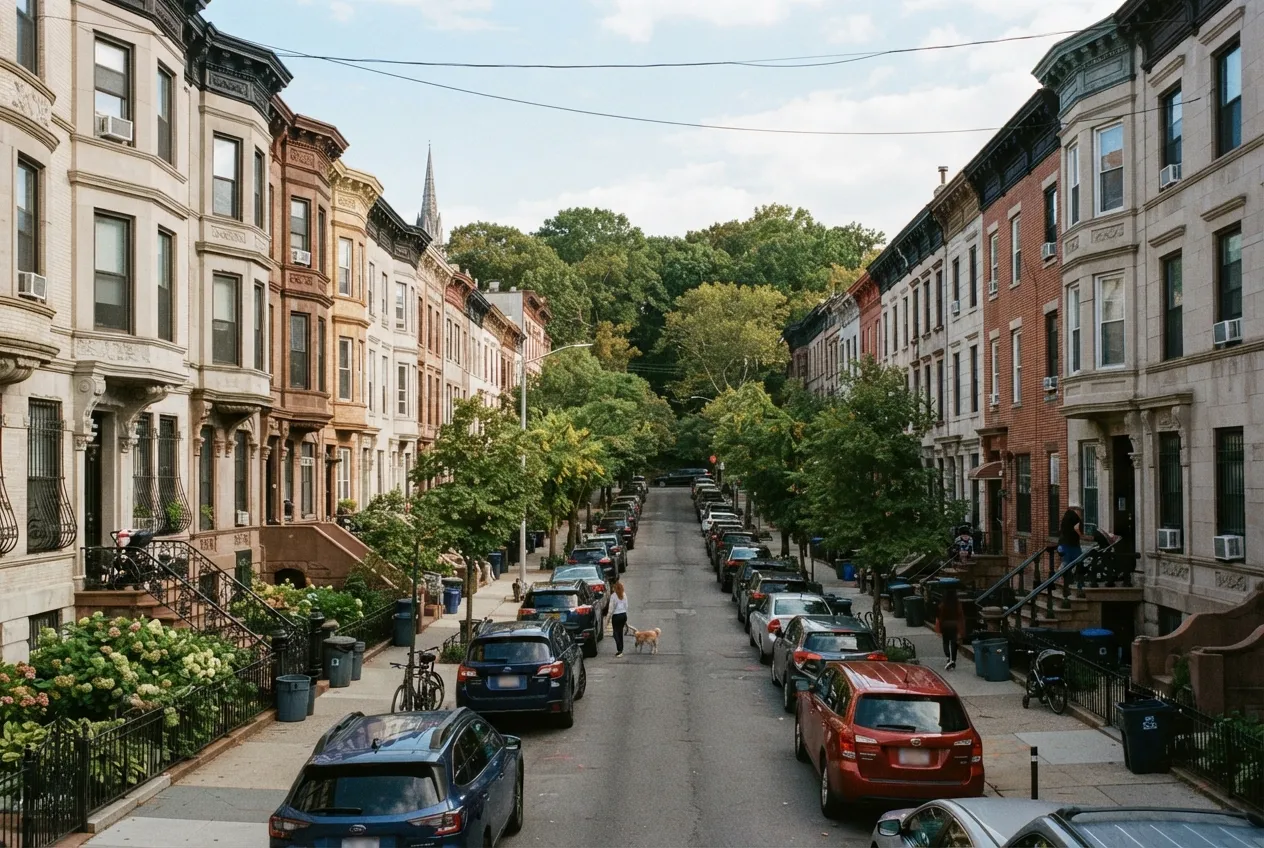
Park Slope's brownstones, rowhouses and pre-war apartment buildings rely on masonry chimneys that have been venting fireplaces, boilers and furnaces for generations. Weather, age and changes in heating fuel all take a toll on brick, mortar and flue tiles. ProSweep Chimney Service repairs chimneys throughout Park Slope (ZIP code 11217), about a mile from our Brooklyn office. Our certified technicians find out what is actually wrong, explain it in plain terms, and make the repairs needed so your chimney carries smoke and exhaust safely out of your home.
What wears out on Park Slope chimneys
Most chimneys in Park Slope are brick, and brick chimneys tend to fail in predictable places. Rain and freeze-thaw cycles attack the top of the stack first, then work their way down into the masonry and the flue. On attached rowhouses, chimneys often run along or near shared walls, so a leak or a failing joint can be hard to trace without someone looking at the whole system.
These are the repairs we handle most often on older Brooklyn homes:
- Cracked or crumbling chimney crowns, the cap of masonry that sheds water off the top of the stack
- Loose or missing mortar joints and spalling brick, where the face of the brick flakes away
- Failed flashing where the chimney meets a flat or low-slope roof, a frequent source of ceiling and wall stains
- Cracked, shifted or missing clay flue tiles inside the chimney
- Damaged or missing chimney caps that let in rain, birds and debris
- Fireplace dampers that no longer open, close or seal properly
Inspection comes before any repair
The NFPA 211 standard calls for chimneys, fireplaces and vents to be inspected once a year, and an inspection is where every repair we do begins. A Level 1 inspection fits when nothing about the system has changed. A Level 2 inspection is the right choice when you add a new appliance, switch fuels, or buy or sell a home. A Level 3 inspection is only needed when a hidden hazard has to be reached by opening part of the chimney or the building, and we explain the reason before recommending one.
Many brownstones have fireplaces that sat unused for years. A chimney can look fine from the roof and still have gaps in the flue that let heat and smoke reach wood framing, so have it checked before you light a fire again. After the inspection, we walk you through what we found and separate safety repairs that should happen now from maintenance you can plan for later.
Oil-to-gas conversions and chimney liners
A lot of Park Slope buildings still heat with boilers, and many owners are moving from oil to gas. When a New York City building converts its boiler from oil to gas, the chimney has to be evaluated as part of the work. A new liner is often needed, because gas exhaust produces acidic condensate that can corrode an unprotected masonry flue over time.
If a conversion is on your calendar, bring us in early. That way liner work is coordinated with your heating contractor instead of turning up as a surprise at the end of the job. We also reline chimneys where clay tiles have cracked or where the existing flue is not a good match for the appliance it serves.
Plan chimney work around heat season
New York City's heat season runs from October 1 through May 31. During those months, building owners must keep apartments heated to the city's minimum temperatures. For owners of multi-unit brownstones and pre-war apartment buildings, a chimney problem that takes the boiler offline in January is much harder to manage than one fixed in June.
Late spring and summer are a practical time for masonry, crown, flashing and liner work. The same logic applies to single-family homes with working fireplaces: schedule repairs so they are finished before the first cold weather, not after you notice smoke in the living room.
Serving Park Slope and nearby neighborhoods
Our office is about a mile from Park Slope, so getting to your roof is straightforward. We also repair chimneys in the surrounding neighborhoods, including Prospect Heights, Windsor Terrace, South Slope, Carroll Gardens and Cobble Hill, where the housing stock is similar: attached brick homes, brownstones and older apartment buildings with masonry chimneys that need the same careful attention.
More services in Park Slope
- Chimney Sweep in Park Slope
- Chimney Inspection in Park Slope
- Air Duct Cleaning in Park Slope
- Chimney Liner Installation in Park Slope