
The short answer
A chimney liner gives smoke and exhaust a sealed, correctly sized path out of your home. In Park Slope, the most common reasons to install one are cracked or deteriorated clay flues in older masonry chimneys and a boiler conversion from oil to gas. We inspect the chimney first, then recommend the liner that fits your appliance.
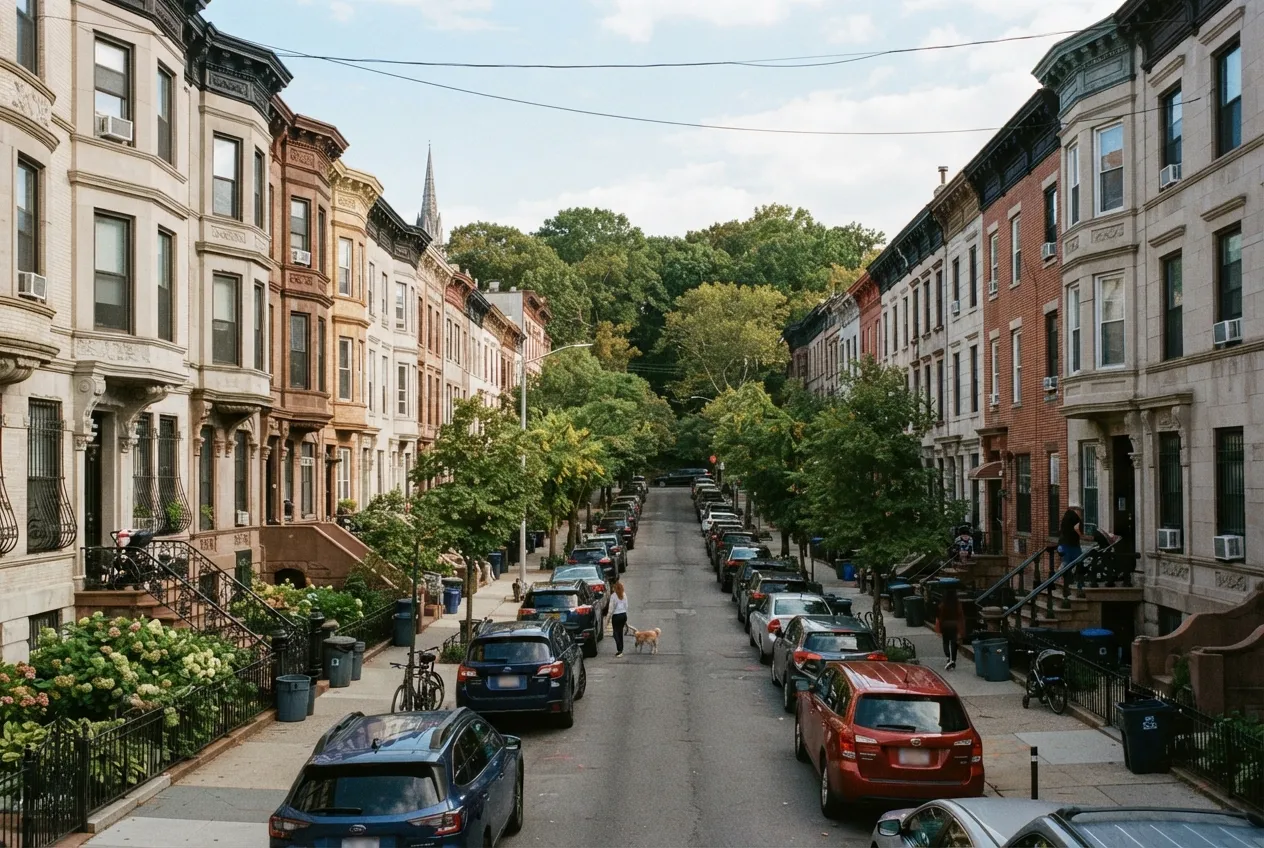
Many Park Slope homes were built long before today's boilers, water heaters and wood stoves. A lot of the neighborhood's brownstones, rowhouses and pre-war apartment buildings still have their original clay tile flues, and some older chimneys have no liner at all. ProSweep Chimney Service installs chimney liners for homeowners in Park Slope (ZIP 11217), about a mile east of our Brooklyn office. Our certified technicians inspect your flue first and explain what they find. Then we recommend a liner sized for your appliance and your chimney, not a one-size-fits-all fix.
Why Older Park Slope Chimneys Often Need a Liner
Masonry chimneys in older brownstones and rowhouses have handled decades of heat, moisture and freeze-thaw cycles. Over time, mortar joints between clay flue tiles erode and tiles crack or shift. Gaps like these let heat, smoke and combustion gases reach the brick and the wood framing around the chimney. In attached homes that share walls with neighbors, that is a concern for more than one household.
Size matters too. Many original flues were built for coal or open wood fires and are much larger than a modern boiler or water heater needs. In an oversized flue, exhaust cools before it reaches the top. That weakens draft and causes condensation inside the chimney. A properly sized liner corrects both problems.
- Pieces of tile, flakes of masonry or crumbled mortar collecting at the base of the flue or in the cleanout
- Water stains, damp spots or peeling paint on walls next to the chimney
- Smoke or fumes coming back into the room, or a fire that is hard to keep drawing
- An inspection report that notes cracked, missing or misaligned flue tiles
Converting Your Boiler from Oil to Gas
When a New York City building converts its boiler from oil to gas, the chimney has to be evaluated as part of the work. A new liner is often needed. Gas exhaust produces acidic condensate, and that condensate can corrode a masonry flue that held up fine under oil.
A switch of fuel or a new appliance is also the kind of change that calls for a Level 2 chimney inspection under the NFPA 211 standard. We can inspect the flue, report what we find and install the liner your new equipment needs.
Timing is worth thinking about. New York City's heat season runs from October 1 through May 31. Building owners must keep apartments heated to the city's minimum temperatures during that period. If you own a multi-family building, plan liner work so that heat is not interrupted when tenants need it.
Choosing the Right Liner
The right liner depends on what is venting through the chimney and on the condition and shape of the flue. Stainless steel liners are the most common choice we install. They suit gas, oil and wood-burning appliances when matched to the job. Flexible stainless liners can follow the slight offsets found in many older chimneys. Rigid sections work well in straight flues.
Some installations call for an insulated liner to keep exhaust warm, protect nearby framing and improve draft. We size every liner to the appliance manufacturer's venting requirements and explain the options before any work begins.
How Liner Installation Works
Most single-flue jobs are completed without opening walls. We work from the roof and the appliance connection inside. If an inspection shows a hidden problem that can only be reached by opening part of the chimney or building, we explain that before going further.
- Inspect the chimney, including a camera look inside the flue when needed
- Clean the flue and clear debris, old soot or obstructions
- Measure the flue and the appliance to size the liner correctly
- Lower the liner from the top and connect it to the appliance
- Install a top plate and chimney cap to keep out rain and animals
- Check draft and walk you through the finished work
Serving Park Slope and Nearby Neighborhoods
We install chimney liners throughout Park Slope and in the surrounding neighborhoods of Prospect Heights, Windsor Terrace, South Slope, Carroll Gardens and Cobble Hill. Whether you own a single-family brownstone, a rowhouse with a rental unit or a small pre-war apartment building, we start with an inspection. You get a clear explanation of what your chimney needs.
More services in Park Slope
- Chimney Sweep in Park Slope
- Chimney Inspection in Park Slope
- Chimney Repair in Park Slope
- Air Duct Cleaning in Park Slope