
The short answer
Park Slope chimneys should be inspected once a year under the NFPA 211 standard. You need a more detailed Level 2 inspection when you change appliances, switch fuels or sell the home. ProSweep's certified technicians are about a mile away and inspect brownstones, rowhouses and pre-war buildings throughout 11217.
Park Slope's brownstones and rowhouses were built around masonry chimneys, and many of those flues now vent gas boilers, water heaters or fireplaces restored decades after the house went up. A chimney inspection tells you whether that flue is sound and venting safely today. ProSweep Chimney Service is about a mile from Park Slope, so our certified technicians can reach homes in 11217 without a long wait. Here is what an inspection covers, which level fits your situation, and when to schedule one.
Why Park Slope Chimneys Need a Closer Look
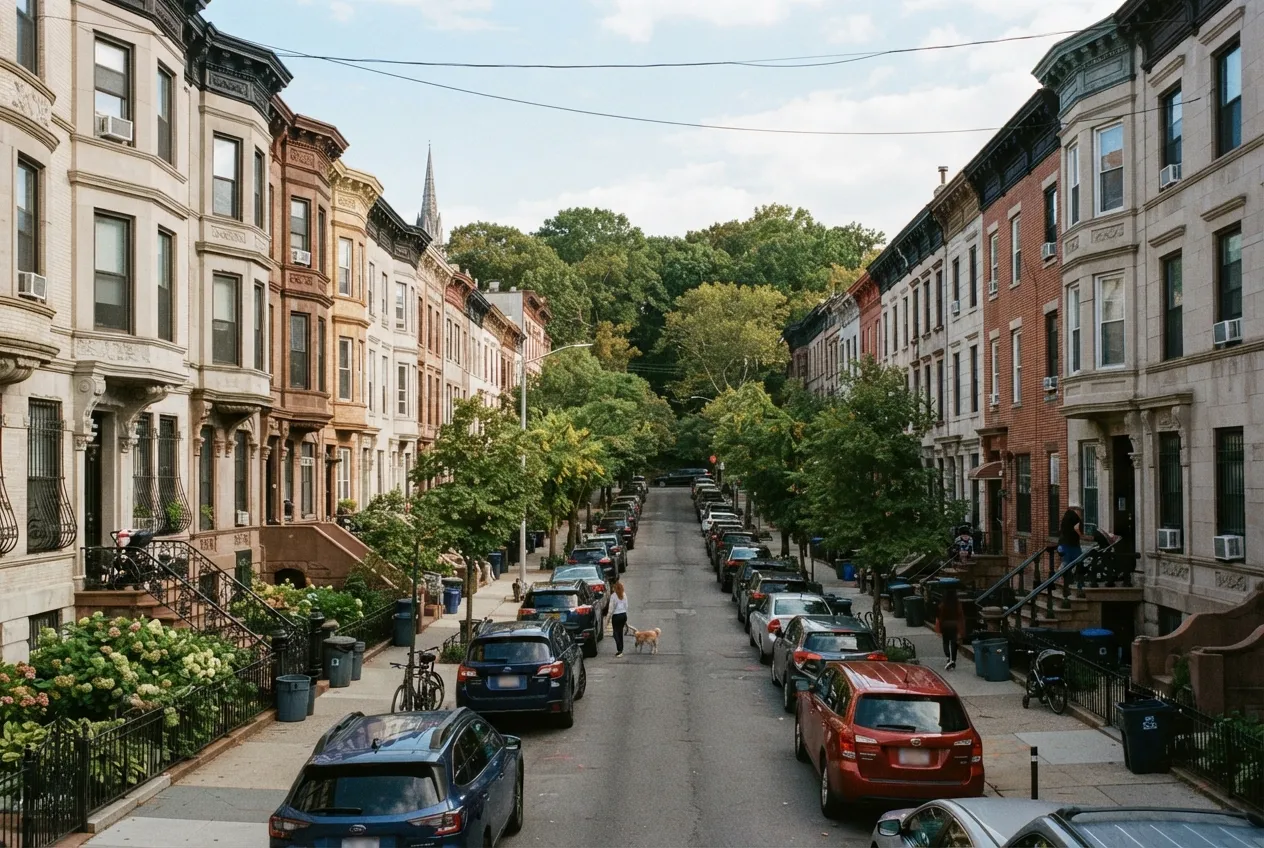
Most homes in Park Slope are brownstones, brick rowhouses and pre-war apartment buildings with masonry chimneys. Many of these chimneys carry more than one flue. Some serve a fireplace on one floor and a boiler or water heater on another. Renovations over the years change how a chimney is used, and a flue that suited one appliance may not suit the next.
Masonry also ages in ways you can't see from the sidewalk. Mortar joints wear away, clay flue tiles crack, and crowns at the top of the stack let water in. In attached rowhouses, a problem at the top of a shared chimney wall can affect more than one home. An inspection finds these issues before they become smoke, water or carbon monoxide problems inside the house.
Which Inspection Level Fits Your Home
The NFPA 211 standard calls for chimneys, fireplaces and vents to be inspected once a year. Chimney professionals use three levels of inspection. The right one depends on what has happened since the last visit.
If you are buying or selling a Park Slope brownstone, plan for a Level 2 inspection so both sides know the condition of every flue in the building.
- Level 1: for a chimney in regular use with no changes. We check the accessible parts of the chimney and the firebox or appliance connection, and we look for blockages and buildup.
- Level 2: used when something changes, such as a new boiler or stove, a switch from one fuel to another, or the sale of the home. It includes a video scan of the flue interior and a look at accessible areas like the attic, basement and roof.
- Level 3: used when a hidden hazard has to be reached by opening part of the chimney or the building, such as when damage is suspected behind a wall.
Oil-to-Gas Conversions in Brooklyn Buildings
Many older Park Slope buildings still have oil-fired boilers, or had them until recently. When a New York City building converts its boiler from oil to gas, the chimney has to be evaluated as part of the work.
Gas exhaust produces acidic condensate that can corrode a masonry flue, so a new liner is often needed. We inspect the flue and report on its condition. We will tell you plainly whether the existing chimney can handle the new appliance or needs to be relined before the conversion moves forward.
What Our Inspection Covers
Our certified technicians look at the full venting system, not just the fireplace opening. Depending on the inspection level, we check:
You get a clear written summary of what we found, with photos where possible. We explain what needs attention now and what can wait.
- Chimney crown, cap and flashing for cracks, gaps and water entry
- Exterior brick and mortar joints
- Flue liner condition, including cracked or missing tiles
- Creosote and soot buildup in wood-burning fireplaces
- Damper operation and smoke chamber condition
- Connectors from boilers and water heaters
- Blockages from nests, leaves or fallen debris
- Clearances to nearby wood framing where accessible
When to Schedule in Park Slope
New York City's heat season runs from October 1 through May 31, when building owners must keep apartments heated to the city's minimum temperatures. Boilers in Park Slope multi-family buildings run hard during those months. The best time to inspect is late summer or early fall, before the heat comes on. If you only use your fireplace occasionally, schedule an inspection before the first fire of the season.
We also inspect chimneys in nearby Prospect Heights, Windsor Terrace, South Slope, Carroll Gardens and Cobble Hill.
More services in Park Slope
- Chimney Sweep in Park Slope
- Chimney Repair in Park Slope
- Air Duct Cleaning in Park Slope
- Chimney Liner Installation in Park Slope