
The short answer
A chimney sweep in Park Slope removes soot, creosote and debris from the flue and checks the chimney for damage, which matters in older brownstones and rowhouses with shared stacks and multiple flues. The NFPA 211 standard calls for a yearly inspection, and scheduling before New York City's heat season begins on October 1 gives you time to fix problems before you need the heat.
Park Slope's brownstones, rowhouses and pre-war apartment buildings were built with masonry chimneys that now serve everything from wood-burning fireplaces to gas boilers. ProSweep Chimney Service is based in Brooklyn, about a mile west of Park Slope, and our certified technicians clean and inspect chimneys throughout the 11217 ZIP code. This page explains what a chimney sweep covers in older Brooklyn homes, how often to schedule one, and what to expect when a technician comes to your home.
Chimneys in Park Slope Homes
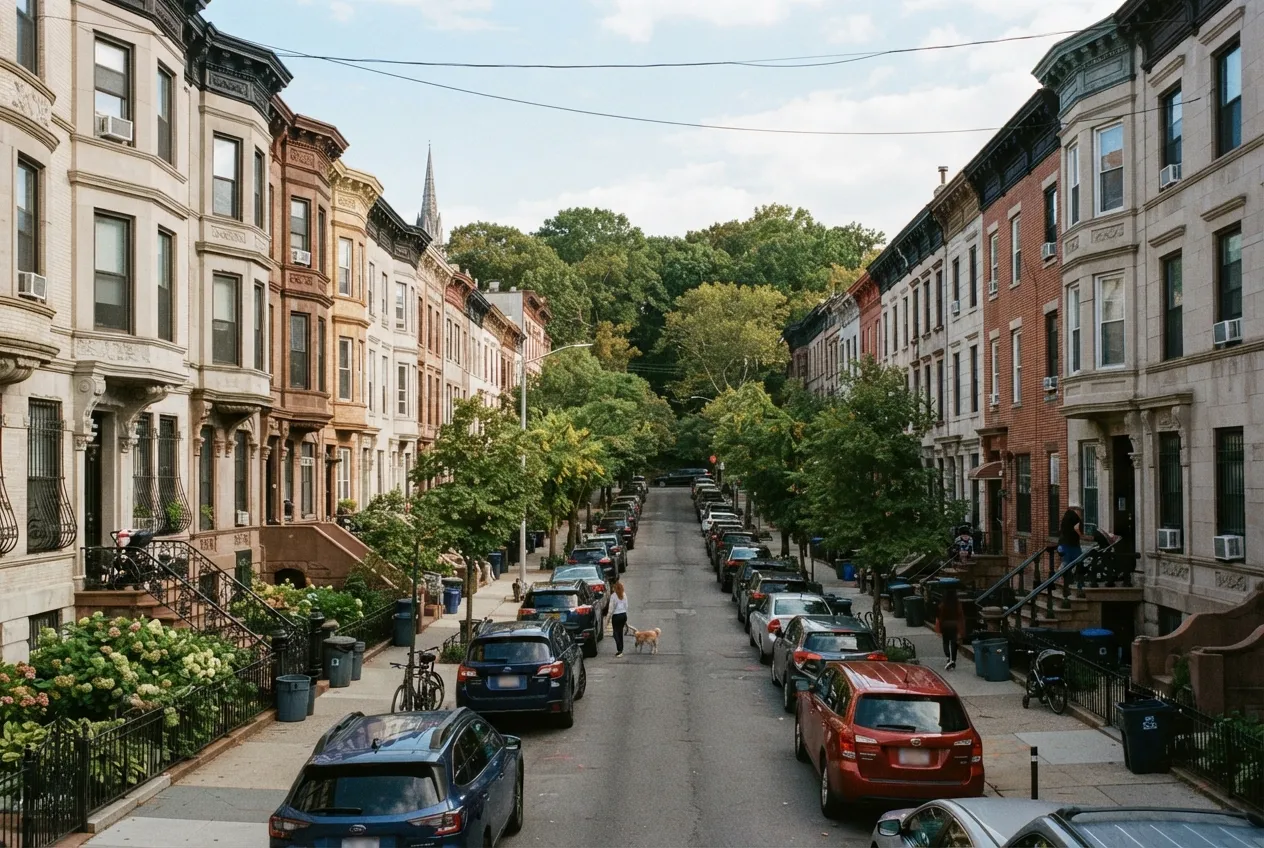
Most homes in Park Slope share walls with their neighbors, and many chimney stacks hold several flues side by side. One flue might vent a working fireplace on the parlor floor while another carries exhaust from a boiler or water heater in the basement. Over the decades, fireplaces have been closed off, reopened or converted, and it is not always clear which flue does what.
That history matters during a sweep. A technician needs to identify each flue, confirm what it serves, and check that it is clear from bottom to top. Debris, bird nests, fallen brick or mortar, and creosote buildup can sit unnoticed for years in a flue that is rarely looked at.
What a Chimney Sweep Includes
A sweep is more than running a brush up the flue. Here is what our technicians typically do on a visit:
After the work, we explain what we found in plain terms and point out anything that needs attention now versus something to keep an eye on over time.
- Protect floors and furnishings near the fireplace or appliance before work begins
- Brush and vacuum the flue to remove soot, creosote and loose debris
- Clean the firebox, smoke chamber and damper area on wood-burning fireplaces
- Check the damper, chimney cap and crown for damage or missing parts
- Look for cracked flue tiles, gaps in mortar joints and signs of water entry
- Note any problems with the connection between a boiler or water heater and its flue
How Often to Schedule a Sweep and Inspection
The NFPA 211 standard calls for chimneys, fireplaces and vents to be inspected once a year. Whether the chimney also needs cleaning depends on how much it is used and what is burned in it, which the inspection will show.
Chimney professionals use three inspection levels. A Level 1 inspection fits when nothing about the system has changed. A Level 2 inspection applies when something changes, such as a new appliance or a switch in fuel, or when the home is sold, which is worth remembering if you are buying or selling in Park Slope. A Level 3 inspection is for cases where a hidden hazard has to be reached by opening part of the chimney or building.
Oil-to-Gas Conversions and Chimney Liners
Many older New York City buildings have moved from oil to gas heat. When a building converts its boiler from oil to gas, the chimney has to be evaluated as part of the work. A new liner is often needed, because gas exhaust produces acidic condensate that can corrode a masonry flue.
If your Park Slope home or building is planning a conversion, or finished one without a clear record of the chimney work, a sweep and inspection can show the condition of the flue and whether a suitable liner is in place.
Timing Your Sweep Around Heat Season
New York City's heat season runs from October 1 through May 31, when building owners must keep apartments heated to the city's minimum temperatures. For owners of multi-unit brownstones and small apartment buildings, that makes the boiler flue especially important to have in working order before October.
Late summer and early fall are practical times to schedule. The boiler can be shut down briefly without leaving tenants or family without heat, and any repairs found during the inspection can be handled before cold weather. Fireplace owners benefit from the same timing, since it is better to find a blockage before the first fire than during it.
Serving Park Slope and Nearby Neighborhoods
Along with Park Slope, our technicians work in Prospect Heights, Windsor Terrace, South Slope, Carroll Gardens and Cobble Hill. These neighborhoods share much of the same housing stock, so the same attention to older masonry chimneys and shared stacks applies across the area.
More services in Park Slope
- Chimney Inspection in Park Slope
- Chimney Repair in Park Slope
- Air Duct Cleaning in Park Slope
- Chimney Liner Installation in Park Slope