
The short answer
Air duct cleaning makes sense in a Park Slope home when there is visible mold, evidence of pests, or heavy dust and debris in the ducts, which is common after renovations in older brownstones and rowhouses. ProSweep's certified technicians inspect the system first, then clean the ducts, registers and accessible components under negative pressure.
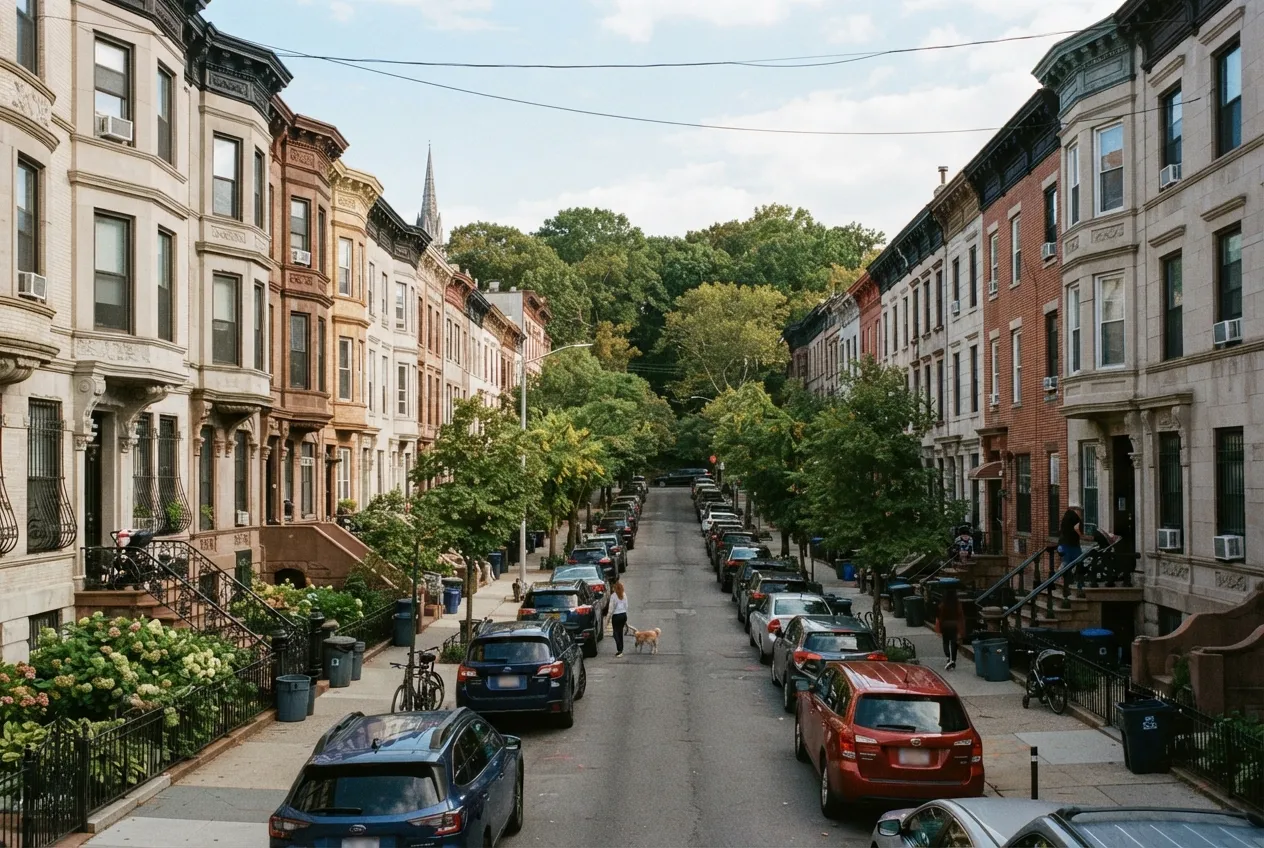
Most Park Slope brownstones, rowhouses and pre-war apartments were built long before central air. When ductwork was added later, it was usually fit wherever there was room: through closets, ceiling soffits, top-floor crawl spaces and basements. Those tight, irregular runs collect household dust, plaster and drywall debris from renovations, and sometimes signs of pests. ProSweep Chimney Service cleans air ducts in Park Slope (11217), about a mile from our Brooklyn office. Our certified technicians look first and tell you plainly whether cleaning is worth doing in your home.
When Duct Cleaning Is Worth It
The U.S. EPA advises cleaning air ducts when there is substantial visible mold growth, vermin, or excessive dust and debris. The EPA also notes that duct cleaning has not been shown to prevent health problems, so we don't sell it as a health fix. We recommend it when we see a real problem, and we say so when we don't.
These are the situations we see most often in Park Slope homes:
- Mold you can see inside duct openings, on registers or around the air handler
- Droppings, nesting material or other signs of mice or insects in duct runs
- Dust that puffs out of supply registers when the system turns on
- Plaster or drywall dust left behind after a gut renovation, kitchen remodel or wall removal
- Ductwork that nobody has looked at since you bought the house
Ductwork in Brownstones, Rowhouses and Pre-War Apartments
Retrofitted systems in older Brooklyn homes rarely look like the long, straight metal trunk lines in a newer suburban house. Air handlers often sit in a top-floor closet or attic space, with flexible duct snaking down through chases to ceiling or high-wall registers. Some homes use small-diameter, high-velocity outlets that were chosen to fit inside old walls. Flexible duct needs gentler tools than rigid metal duct, so we match brushes and air tools to what's actually in your walls.
Older buildings also produce their own kind of dust. Plaster from walls and ceilings is fine and heavy, and it settles in low spots and at bends in the duct. In apartments, we clean the ductwork that serves your unit. Shared building ventilation is the responsibility of building management, and we'll tell you if we find a problem that starts there.
What Happens During a Visit
We don't apply sanitizers, sealants or other chemical treatments by default. The EPA urges caution with these products. If we think one might help, we explain what it is and why, and you decide.
- Inspection: we open registers, check the air handler and accessible duct runs, and show you what we find
- Protection: we cover floors and furnishings along our work path, including stairs and landings
- Cleaning: we put the system under negative pressure with a collection unit and loosen debris with brushes and air tools sized to your ducts
- Registers and grilles: we remove and clean supply and return covers
- Filter: we check it and replace it or tell you the right size to buy
- Walkthrough: we review the results with you before we leave
Timing Around Heat Season and Renovations
New York City's heat season runs from October 1 through May 31. If your home heats with a forced-air system, late summer or early fall is a good time to clean, before the system runs daily for months. If your ducts are used mainly for central air, spring works well.
If you're renovating, schedule the cleaning after the dusty work is finished, not before. Ideally, registers are covered and the system stays off while walls are being opened. The EPA also warns consumers to research the process before responding to very cheap advertised duct cleaning offers. We give you a quote after we've seen the system, so you know what the work involves.
Serving Park Slope and Nearby Neighborhoods
We work throughout Park Slope and the 11217 ZIP code, as well as nearby Prospect Heights, Windsor Terrace, South Slope, Carroll Gardens and Cobble Hill. If your dryer vents through a long run to an exterior wall or roof, we can check it on the same visit. The U.S. Fire Administration identifies failure to clean as the leading factor contributing to clothes dryer fires in homes.
More services in Park Slope
- Chimney Sweep in Park Slope
- Chimney Inspection in Park Slope
- Chimney Repair in Park Slope
- Chimney Liner Installation in Park Slope