The short answer
Under the NFPA 211 standard, South Slope chimneys should be inspected once a year and swept whenever buildup or blockages are found. ProSweep's certified technicians clean fireplace and boiler flues in rowhouses, brownstones and pre-war buildings across 11215. The best time to schedule is before heat season starts on October 1.
Many homes in South Slope still have working fireplaces, along with masonry flues that vent boilers and water heaters. A chimney sweep removes the creosote, soot and debris that build up inside those flues and checks that smoke and exhaust can leave the house the way they should. ProSweep Chimney Service is based in Brooklyn, about a mile from South Slope, and our certified technicians sweep and inspect chimneys throughout ZIP code 11215. This page explains what a sweep involves for the kinds of homes found here and how to plan around the heating season.
Chimneys in South Slope Rowhouses and Pre-War Buildings
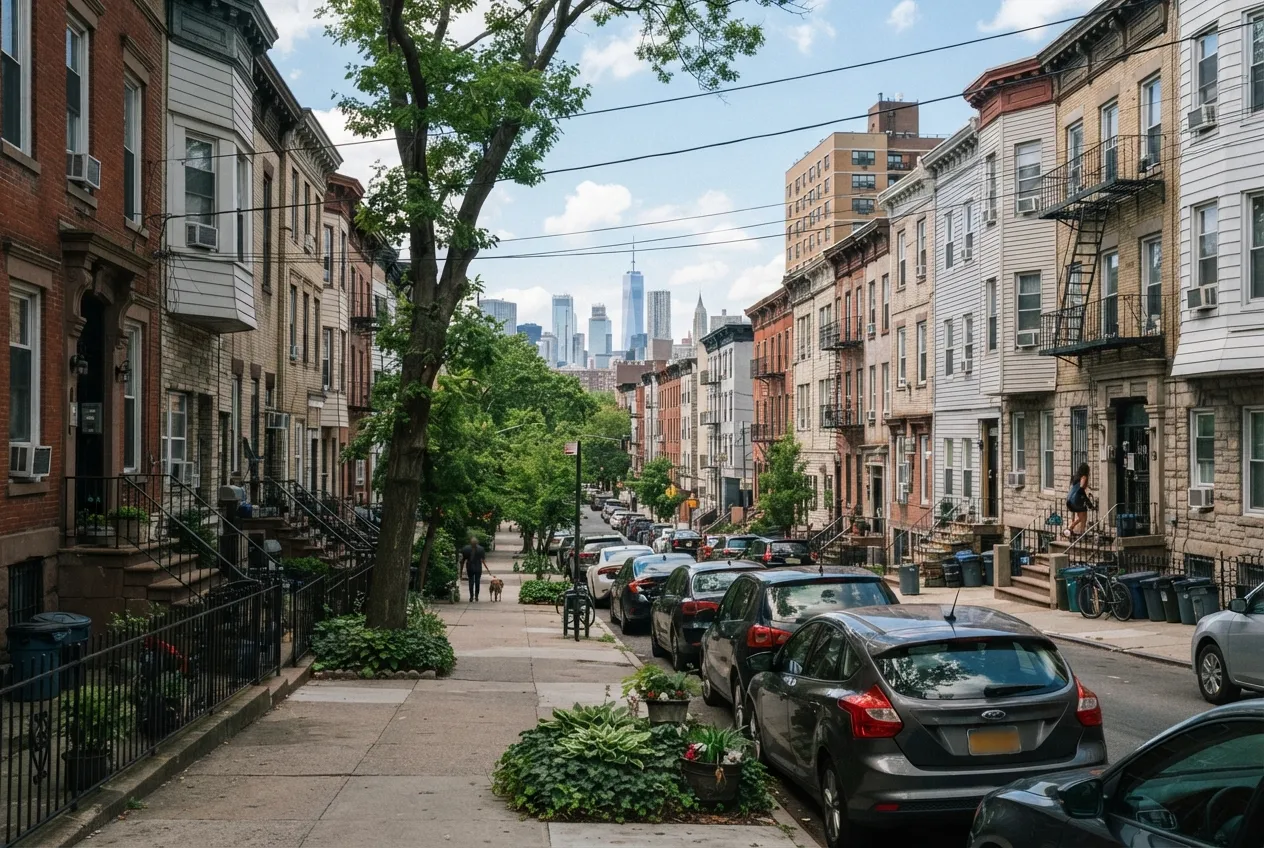
South Slope's housing is mostly attached rowhouses, brownstones and small pre-war apartment buildings, with some newer construction mixed in. Older buildings often have several flues running up one shared chimney stack. These can include one or more flues for fireplaces on different floors and another for the boiler or water heater in the basement. Some fireplaces have sat unused for years and may have been sealed, covered or partly blocked.
Because these chimneys are tall, narrow and shared between floors, it matters which flue serves which appliance. Part of our job is to identify each flue, confirm it is open and clear, and note whether it is lined. Roof access is common on attached buildings. Depending on what the chimney needs, we work from the roof, from the firebox or from the appliance connection.
What a Chimney Sweep Includes
A standard sweep combines cleaning with a close look at the flue. We cover the floor and furniture around the fireplace or appliance and work to keep soot contained.
- Brushing the flue to remove soot, creosote and loose debris
- Clearing the smoke chamber and smoke shelf above the damper
- Checking that the damper opens and closes properly
- Looking for nests, leaves and other blockages, especially in flues that haven't been used in a while
- Checking the chimney cap, crown and visible masonry from the roof when it is safe to reach
- Inspecting the firebox for cracked or missing brick and mortar
- Explaining what we found, with photos when helpful, before recommending any further work
Annual Inspections and the Three Inspection Levels
The NFPA 211 standard calls for chimneys, fireplaces and vents to be inspected once a year. Sweeping and inspection go together. Cleaning removes the buildup, and the inspection tells you whether the flue is in good enough condition to use.
Chimney professionals use three inspection levels. Level 1 fits when nothing about your system has changed. Level 2 applies when the system changes, such as a new appliance or a switch of fuel, or when the home is sold, which is common as South Slope rowhouses and co-ops change hands. Level 3 is for cases where a hidden hazard can only be reached by opening part of the chimney or building.
Boilers, Oil-to-Gas Conversions and Heat Season
Many South Slope buildings heat with a boiler that vents through the same masonry chimney as the original fireplaces. When a New York City building converts its boiler from oil to gas, the chimney has to be evaluated as part of the work. A new liner is often needed, because gas exhaust produces acidic condensate that can corrode a masonry flue. If your building has converted or plans to, sweeping and inspecting the boiler flue is a sensible early step.
New York City's heat season runs from October 1 through May 31. During that time, building owners must keep apartments heated to the city's minimum temperatures. A blocked or damaged boiler flue in midwinter can force a shutdown at the worst possible time. If you schedule your sweep in late summer or early fall, there is time to finish any repairs before the heat has to stay on.
Signs Your Chimney Needs a Sweep
Even with yearly service, watch for these signs between visits:
- A smoky or musty smell in the room, especially on warm or humid days
- Smoke drifting into the room instead of drawing up the flue
- Black, flaky or tar-like deposits in the firebox or around the damper
- Pieces of brick, mortar or other debris falling into the fireplace
- Animal sounds or nesting material in the chimney
- A fireplace you want to use again after it has sat idle for years
Serving South Slope and Nearby Neighborhoods
South Slope is a short trip from our Brooklyn office, and we also work in Windsor Terrace, Park Slope, Prospect Heights, Carroll Gardens and Cobble Hill. You might own a single rowhouse, manage a small apartment building or live in a co-op with a working fireplace. Either way, we can sweep the flues you use and tell you plainly what condition they are in. Contact us to schedule a visit before the next stretch of cold weather.
More services in South Slope
- Chimney Inspection in South Slope
- Chimney Repair in South Slope
- Air Duct Cleaning in South Slope
- Chimney Liner Installation in South Slope