
The short answer
Yes, your chimney should be inspected every year. The NFPA 211 standard calls for chimneys, fireplaces and vents to be inspected once a year. For South Slope homes, it's best to schedule before New York City's heat season starts on October 1, and to book a Level 2 inspection if you're converting from oil to gas or selling the house.
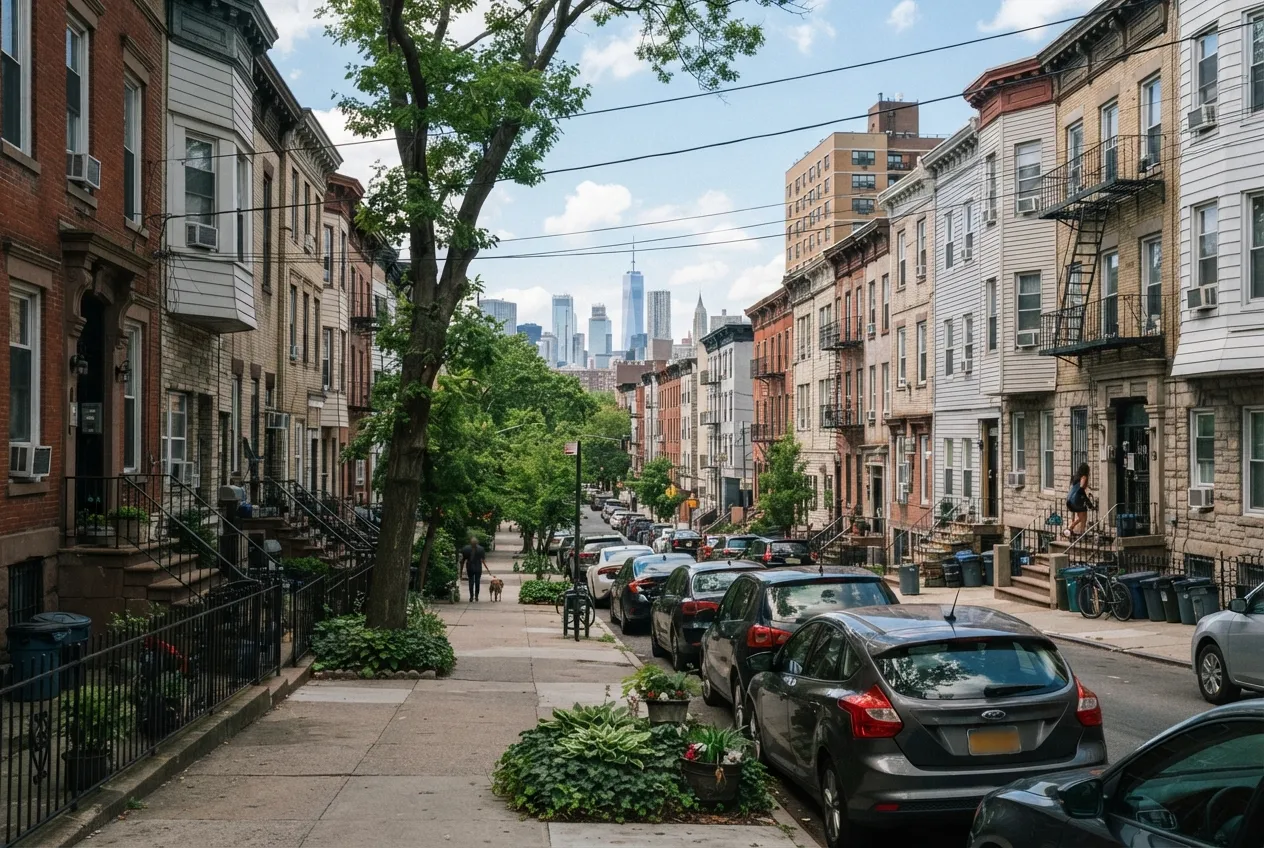
Many homes in South Slope have masonry chimneys that have been in service for a very long time. That includes rowhouses, brownstones, and small pre-war apartment buildings. These flues carry exhaust from fireplaces, boilers, and water heaters, and they tend to wear out quietly. A chimney inspection tells you whether the system is safe to use, what shape the flue and masonry are in, and whether anything needs attention before it becomes a bigger problem. ProSweep Chimney Service is based in Brooklyn, about a mile from South Slope, so we can schedule inspections throughout the 11215 ZIP code.
Why South Slope Homes Need a Yearly Inspection
The NFPA 211 standard calls for chimneys, fireplaces, and vents to be inspected once a year. This applies whether you burn wood in a parlor-floor fireplace a few times each winter or rely on a gas boiler that vents through the chimney every day.
In New York City, timing matters. The city's heat season runs from October 1 through May 31, and building owners must keep apartments heated to the city's minimum temperatures during that period. If you own a two- or three-family house or a small apartment building, a problem found in January could leave tenants without heat while repairs are arranged. An inspection in late summer or early fall gives you time to fix issues before the boiler is running every day.
Older masonry also changes over time. Mortar joints erode, clay tile liners crack, and crowns and caps take a beating from winter freeze-thaw cycles. You can't see most of this from the sidewalk, which is why a hands-on inspection is worth the visit.
Which Inspection Level Do You Need?
Chimney professionals use three inspection levels. The right one depends on what has changed with your home or heating system.
If you're buying or selling a brownstone or rowhouse in South Slope, a Level 2 inspection gives both sides a clear picture of the chimney's condition before closing.
- Level 1: For a chimney in regular use where nothing has changed. We check the accessible parts of the chimney, flue, and connected appliance for soundness, blockages, and buildup.
- Level 2: When the system changes or the home is sold. Examples of a change include a new boiler or water heater, or a switch from oil to gas. This is a more thorough review and typically includes a video scan of the inside of the flue.
- Level 3: When a hidden hazard has to be reached by opening part of the chimney or building. This is not a routine inspection. We recommend it only when a Level 1 or Level 2 inspection points to a concealed problem.
Oil-to-Gas Conversions and Chimney Liners
Many older Brooklyn buildings were originally heated with oil. When a New York City building converts its boiler from oil to gas, the chimney has to be evaluated as part of the work. A new liner is often needed, because gas exhaust produces acidic condensate that can corrode a masonry flue from the inside.
You may be planning a conversion, or one may have been done in the past without anyone checking the chimney. Either way, an inspection will show whether the existing flue suits the new appliance and whether you need a liner. It's much easier to sort this out before the new equipment goes in than after.
What Our Technicians Check
Our certified technicians look at the whole venting system, not just the firebox. A typical inspection covers:
Afterward, we explain what we found in plain terms and tell you what needs to be done, if anything. If the chimney is in good shape, we'll tell you that too.
- The chimney crown, cap, and outside masonry, checked for cracks, crumbling brick, and loose or missing mortar
- The flue liner, checked for cracked or shifted tiles and signs of corrosion
- Creosote and soot buildup in wood-burning fireplaces
- Blockages such as nests, debris, or fallen masonry
- Damper operation and the condition of the smoke chamber
- The connections between the boiler or water heater and the chimney
- Signs of water getting in around the flashing and inside the firebox
Serving South Slope and Nearby Neighborhoods
ProSweep is based in Brooklyn, about a mile from South Slope, and we work throughout the 11215 ZIP code. We also inspect chimneys in Windsor Terrace, Park Slope, Prospect Heights, Carroll Gardens, and Cobble Hill. Homes there are much like those in South Slope: brownstones, rowhouses, and pre-war buildings with masonry chimneys that serve fireplaces and boilers.
More services in South Slope
- Chimney Sweep in South Slope
- Chimney Repair in South Slope
- Air Duct Cleaning in South Slope
- Chimney Liner Installation in South Slope