
The short answer
Most chimney damage in South Slope starts with water getting into the crown, mortar joints or flashing, then spreading with each freeze. ProSweep inspects the chimney, finds the source of the problem and repairs the masonry, flashing, cap or flue liner your home needs.
Chimneys in South Slope work hard. Many homes here are brick rowhouses, brownstones and small multi-family buildings, and their chimneys have been through decades of freeze-thaw winters, heating system changes and patchwork fixes. ProSweep Chimney Service repairs chimneys across the 11215 ZIP code, about a mile southeast of our Brooklyn office, so our certified technicians are never far from your roof. This page explains what usually goes wrong with chimneys in the neighborhood, how we find the cause, and what the repair options look like.
What Usually Fails on South Slope Chimneys
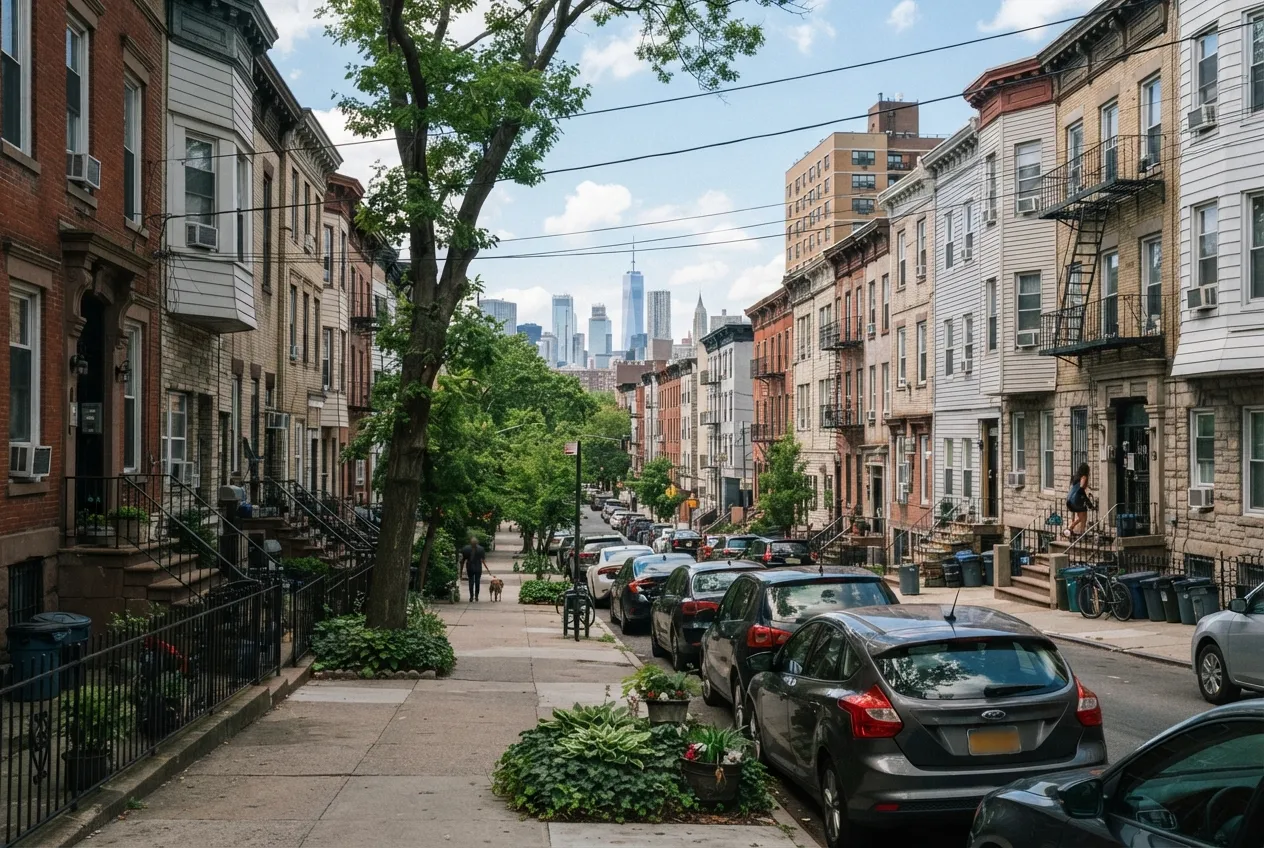
On attached rowhouses and brownstones, chimneys usually rise above a flat roof and take the full force of wind, rain and snow. The damage we find tends to start at the top of the stack and work its way down.
Water is behind most of these problems. Once moisture gets into brick and mortar, each freeze widens the gaps. A small crack in the crown can turn into loose brick within a few winters, and a leak at the flashing can show up as a stain on a top-floor ceiling long before anyone looks at the roof.
- Cracked or crumbling chimney crowns that let water into the masonry below
- Eroded mortar joints and loose or spalling brick
- Failed flashing where the chimney meets the roof
- Missing or rusted chimney caps that let in rain, debris and animals
- Cracked, shifted or missing clay flue tiles
- Worn-out liners in flues that vent boilers or water heaters
How We Find the Real Problem
The NFPA 211 standard calls for chimneys, fireplaces and vents to be inspected once a year. Chimney professionals use three levels of inspection: Level 1 when nothing about the system has changed, Level 2 when something has changed, such as a new appliance, a switch of fuel or a home sale, and Level 3 when a hidden hazard can only be reached by opening part of the chimney or building.
For repair work, we check the outside masonry from the roof and look inside the flue with a camera when needed. A ceiling stain can come from the crown, the flashing or the roof itself, so we track down the cause instead of patching the symptom. Then we show you photos, explain what we found and separate the repairs that are urgent from the ones that can wait.
Chimney Repairs We Handle
On older brick homes, we use mortar that suits the age and softness of the existing brick, and we try to match its color so repairs blend in where the chimney is visible from the street.
- Crown repair or full crown rebuilds
- Repointing worn mortar joints
- Replacing damaged brick and rebuilding the top of the stack
- New flashing and sealing at the roofline
- Chimney caps and screens
- Flue tile repair and stainless steel liner installation
- Fireplace damper repair or replacement
Oil-to-Gas Conversions and Flue Liners
When a New York City building converts its boiler from oil to gas, the chimney has to be evaluated as part of the work. A new liner is often needed, because gas exhaust produces acidic condensate that can eat away at an unlined or clay-lined masonry flue over time.
If your building is planning a conversion, or has already switched without a chimney evaluation, we can inspect the flue, tell you whether it needs a liner, and install one sized for the new equipment. A change of fuel is also one of the situations where a Level 2 inspection is called for.
When to Schedule Chimney Repair
New York City's heat season runs from October 1 through May 31, and building owners must keep apartments heated to the city's minimums during that time. A chimney problem that takes a boiler offline in January is a much bigger headache than one fixed in July.
Masonry work also goes best in mild weather, when mortar can cure properly. Late spring through early fall is the best window for crown rebuilds and repointing. If you smell exhaust, see water inside the firebox or notice falling brick, call before then rather than waiting.
Along with South Slope, we repair chimneys in Windsor Terrace, Park Slope, Prospect Heights, Carroll Gardens and Cobble Hill.
More services in South Slope
- Chimney Sweep in South Slope
- Chimney Inspection in South Slope
- Air Duct Cleaning in South Slope
- Chimney Liner Installation in South Slope