The short answer
Many older South Slope chimneys need a new liner, especially after a boiler is converted from oil to gas or when the original clay tiles have cracked. ProSweep inspects the chimney first, then installs a liner sized for the appliance it serves.
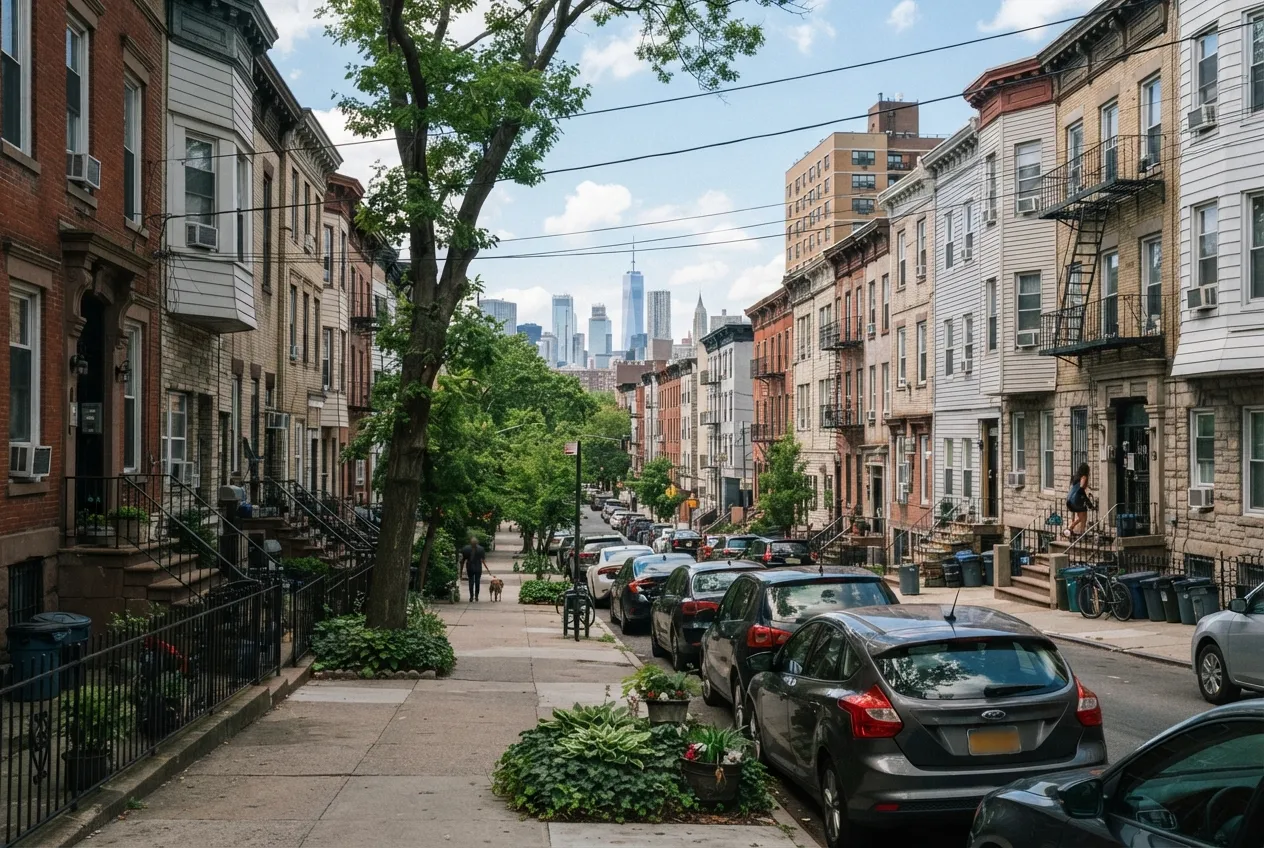
Many homes in South Slope were built with masonry chimneys long before today's boilers, water heaters, and wood stoves. Over the decades, clay tile flues crack, mortar joints wear away, and some older chimneys were built with no liner at all. A properly sized chimney liner gives exhaust a sealed path out of the house and protects the surrounding brick. ProSweep Chimney Service installs liners in rowhouses, brownstones, and pre-war apartment buildings across South Slope (11215), about a mile southeast of our Brooklyn office.
Why Older South Slope Chimneys Need Liners
A chimney liner does three jobs. It keeps heat from reaching nearby framing, it keeps combustion gases and condensation away from the masonry, and it gives the flue the right size and shape for the appliance it serves. In older brick chimneys, the original liner is often the weak point. Clay tiles can crack from a chimney fire or from years of heating and cooling, and gaps between tiles let exhaust seep into the brick.
Signs that a liner may need attention include crumbling mortar or bits of tile at the base of the flue, staining or white residue on walls near the chimney, a damp or smoky smell that won't go away, and poor draft. None of these confirms a problem on its own, so an inspection always comes first.
Oil-to-Gas Conversions and Chimney Liners
When a New York City building converts its boiler from oil to gas, the chimney has to be evaluated as part of the work. A new liner is often needed because gas exhaust produces acidic condensate that can corrode a masonry flue. A flue that served an oil burner for years may also be too large for a modern gas appliance, which can cause weak draft and more condensation.
If you're planning a conversion or replacing a boiler or water heater, bring us in early. We can work with your heating contractor so the liner is sized for the new equipment.
How a Liner Installation Works
Every job starts with an inspection. Under the NFPA 211 standard, a change to the system, such as a new appliance or a switch of fuel, calls for a Level 2 inspection. That inspection shows us the condition of the existing flue and what the chimney can accommodate. A typical installation then follows these steps:
- Inspect the chimney and flue, including a camera scan, and review the appliances it serves
- Measure the flue and choose the correct liner size and material for each appliance
- Clean the flue so the liner goes into a clear passage
- Install the liner from the top down and connect it to the appliance
- Fit a top plate and cap to seal the flue and keep out rain and animals
- Check the draft and walk you through what we found and what we did
Choosing the Right Liner
Most liners we install in South Slope are stainless steel. With the right grade, stainless steel works with gas, oil, and wood. Flexible stainless liners can follow the slight offsets common in older rowhouse chimneys, while rigid sections suit straight runs. Wood-burning fireplaces and stoves may also need insulation around the liner. Insulation keeps heat away from nearby wood framing and helps the chimney draft.
Some chimneys have damage that a metal liner can't fix on its own. In those cases, a cast-in-place liner or masonry repair may be worth discussing. Our certified technicians will explain the options that fit your chimney and your appliance.
Planning Around Heat Season
New York City's heat season runs from October 1 through May 31. During that time, building owners must keep apartments heated to the city's minimum temperatures. In multi-unit brownstones and pre-war buildings, lining the boiler flue means shutting down the heating system for part of the work. Scheduling in late spring or summer gives you more flexibility. If a problem comes up in mid-season, we'll plan the work to keep downtime as short as possible.
Serving South Slope and Nearby Neighborhoods
We work throughout South Slope and in nearby Windsor Terrace, Park Slope, Prospect Heights, Carroll Gardens, and Cobble Hill. You might have a single-family brownstone with a wood-burning fireplace or a small apartment building with a shared boiler flue. Either way, we inspect first and recommend a liner only when it makes sense.
After installation, keep up with yearly inspections. The NFPA 211 standard calls for chimneys, fireplaces, and vents to be inspected once a year, and that includes chimneys with a new liner.
More services in South Slope
- Chimney Sweep in South Slope
- Chimney Inspection in South Slope
- Chimney Repair in South Slope
- Air Duct Cleaning in South Slope