The short answer
Chimneys in Prospect Heights brownstones, rowhouses and pre-war buildings should be inspected once a year, as the NFPA 211 standard calls for, and swept when soot, creosote or debris builds up. ProSweep's certified technicians clean fireplace and boiler flues and point out any damage they find. Booking before the October 1 start of heat season helps keep the heat running all winter.
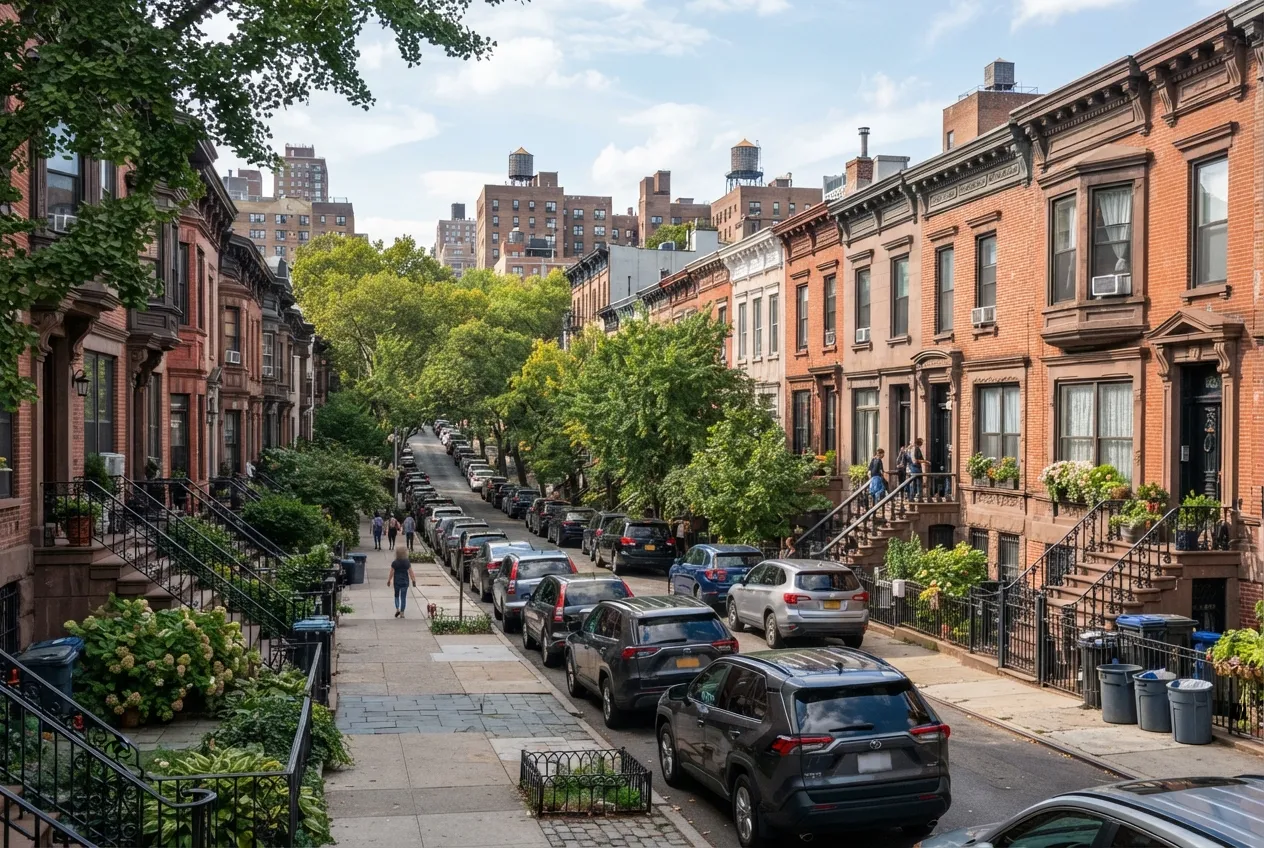
Prospect Heights is mostly brownstones, rowhouses and pre-war apartment buildings, and many of them still have working fireplaces, boiler flues or both. ProSweep Chimney Service is based in Brooklyn, about a mile west of the neighborhood, so our certified technicians are close by when you need a chimney cleaned. This page covers what a chimney sweep involves for the kinds of homes found here, when to schedule one, and what we check while we're at the firebox and on the roof.
Why Prospect Heights Chimneys Need Regular Sweeping
Many homes here were built when coal and wood heat were common, and their chimneys show it. A single brick stack often holds several flues serving fireplaces on different floors, plus a separate flue for the boiler or water heater. Over the decades, mortar joints wear down, liners crack, and some fireplaces get closed off and later reopened without anyone checking the flue in between.
A sweep removes the soot and creosote that build up inside a flue when fuel burns. Creosote is flammable, and a thick layer can ignite and burn hot enough to damage the liner and the masonry around it. Sweeping also clears out leaves, nesting material and fallen debris that can block the flue and push smoke or carbon monoxide back into your home.
What Our Chimney Sweep Covers
Our certified technicians work from the firebox up and, where it's safe to reach, from the roof down. A typical visit includes:
- Laying drop cloths and running a vacuum so soot stays out of the room
- Brushing the flue to remove soot, creosote and loose debris
- Cleaning the firebox, smoke shelf and smoke chamber
- Checking that the damper opens, closes and seals properly
- Looking at the chimney cap, crown and visible mortar for damage or gaps
- Noting cracks, missing liner sections or blockages that need further work
Boiler Flues and Oil-to-Gas Conversions
Chimney work in Prospect Heights isn't only about fireplaces. Many brownstones and pre-war apartment buildings vent a boiler or water heater through the chimney, and that flue needs attention too.
When a New York City building converts its boiler from oil to gas, the chimney has to be evaluated as part of the work. A new liner is often needed, because gas exhaust produces acidic condensate that can corrode a masonry flue. If your building has already converted, or a conversion is planned, we can look at the flue and explain what condition it's in.
Timing matters as well. The city's heat season runs from October 1 through May 31, and building owners must keep apartments heated to the city's minimum temperatures during those months. Scheduling boiler flue cleaning before October helps you avoid shutting off the heat in the middle of winter.
How Often to Schedule a Chimney Sweep
The NFPA 211 standard calls for chimneys, fireplaces and vents to be inspected once a year. The inspection shows whether the flue actually needs sweeping. A fireplace you use every weekend will need cleaning more often than one you light a few times a winter.
Chimney professionals use three inspection levels. Level 1 is for when nothing has changed. Level 2 is for when the system changes, such as a new appliance or a switch of fuel, or when the home is sold, which is worth knowing if you're buying or selling in the neighborhood. Level 3 is for when a hidden hazard has to be reached by opening part of the chimney or building.
Getting Ready for Your Appointment
A little preparation makes the visit faster and cleaner:
We also serve nearby Park Slope, Downtown Brooklyn, DUMBO, Boerum Hill and Windsor Terrace, so the same approach applies if you own property in more than one of these neighborhoods.
- Stop using the fireplace or stove at least a day ahead so the ashes and flue are cool
- Clear furniture, rugs and decorations from the area around the hearth
- Tell us if more than one fireplace or appliance shares the chimney
- In a multi-unit building, arrange roof access with the owner or super ahead of time
- Mention any smoke smells, drafts or water stains you've noticed
More services in Prospect Heights
- Chimney Inspection in Prospect Heights
- Chimney Repair in Prospect Heights
- Air Duct Cleaning in Prospect Heights
- Chimney Liner Installation in Prospect Heights