
The short answer
Prospect Heights homes often need a new chimney liner when the original flue is cracked, deteriorated, or no longer matches the heating appliance, especially after a boiler is converted from oil to gas. ProSweep inspects the flue first, then sizes and installs a liner that fits your appliance and your chimney.
A chimney liner is the protective channel that carries smoke and exhaust gases from a fireplace, boiler, furnace or water heater up and out of your home. In Prospect Heights, many chimneys were built long before today's heating equipment existed, and their original clay tile or bare masonry flues often weren't designed for the exhaust they now handle. ProSweep Chimney Service installs new liners for brownstones, rowhouses and pre-war apartment buildings across the neighborhood, about a mile east of our Brooklyn office. Our certified technicians inspect the flue first, explain what we find, and recommend a liner only when your chimney actually needs one.
Why Older Prospect Heights Chimneys Often Need a New Liner
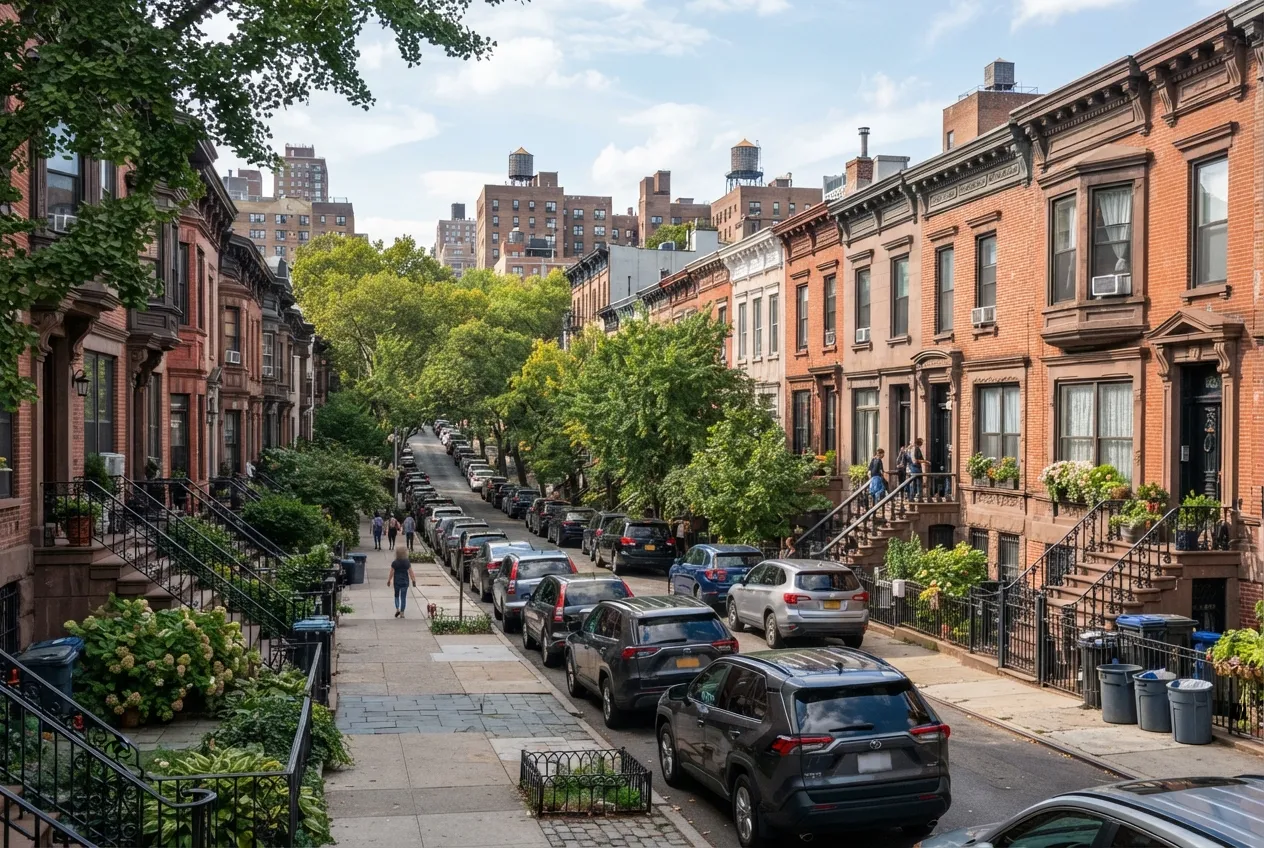
Much of Prospect Heights is made up of brownstones, rowhouses and pre-war apartment buildings. Their chimneys have been through many decades of freeze-thaw cycles, settling and changing fuels. Clay tiles crack, mortar joints wear away, and some older flues were never lined at all.
A damaged or missing liner lets heat and exhaust reach the surrounding brick and nearby wood framing. It can also let combustion gases leak into living spaces or into a neighbor's wall in an attached row. In shared-wall buildings, a sound flue protects more than one household.
- Cracked, shifted or missing clay flue tiles
- Crumbling mortar or flakes of masonry collecting at the base of the chimney
- Poor draft, smoke spilling into the room, or exhaust odors
- A flue that is the wrong size for a new boiler, furnace or water heater
Oil-to-Gas Conversions and Liner Requirements in NYC
Many Brooklyn buildings have switched their boilers from oil to gas. When a New York City building makes that conversion, the chimney has to be evaluated as part of the work. A new liner is often needed because gas exhaust produces acidic condensate that can corrode a masonry flue from the inside.
If you're planning a conversion or have recently finished one, we can inspect the chimney, confirm whether the existing flue is suitable, and install a correctly sized liner for the new appliance. Coordinating with your heating contractor early helps the project move along without surprises.
How We Install a Chimney Liner
Every job starts with an inspection. The NFPA 211 standard calls for chimneys, fireplaces and vents to be inspected once a year, and it describes three inspection levels. A change in your system, such as a new appliance or a switch of fuel, calls for a Level 2 inspection, which includes a camera look inside the flue. If a hidden hazard has to be reached by opening part of the chimney or building, that is a Level 3 inspection.
Once we understand the condition of your flue, we explain your options in plain terms and recommend a liner type that fits your appliance and chimney. Common choices include stainless steel liners for gas, oil and wood-burning appliances, and other systems where the flue shape or condition calls for them.
- Inspect and photograph the existing flue
- Clean the chimney so the new liner goes into a clean passage
- Size the liner to the appliance it will serve
- Install the liner, connections and top cap
- Check draft and walk you through the finished work
Timing Your Liner Work Around Heat Season
New York City's heat season runs from October 1 through May 31. During those months, building owners must keep apartments heated to the city's minimum temperatures. If your boiler shares a chimney with apartments upstairs, a failed flue in midwinter can become an urgent problem for everyone in the building.
Scheduling an inspection and any needed liner work in late spring or summer gives you the most flexibility. If a problem turns up during heat season, call us and we'll talk through the safest way to keep the heat running while the repair is planned.
Serving Prospect Heights and Nearby Neighborhoods
Our crews work throughout Brooklyn. In addition to Prospect Heights, we install chimney liners in Park Slope, Downtown Brooklyn, DUMBO, Boerum Hill and Windsor Terrace, where many homes share similar construction and similar chimney issues.
Whether you own a single brownstone, a multi-unit rowhouse or manage a pre-war apartment building, we'll give you a clear explanation of your chimney's condition and the work we recommend before anything begins.
More services in Prospect Heights
- Chimney Sweep in Prospect Heights
- Chimney Inspection in Prospect Heights
- Chimney Repair in Prospect Heights
- Air Duct Cleaning in Prospect Heights