
The short answer
ProSweep repairs chimney crowns, mortar joints, flashing, caps and flue liners in brownstones, rowhouses and apartment buildings across Downtown Brooklyn. We inspect first so the repair fixes the cause of the problem, and we can plan liner work for oil-to-gas boiler conversions.
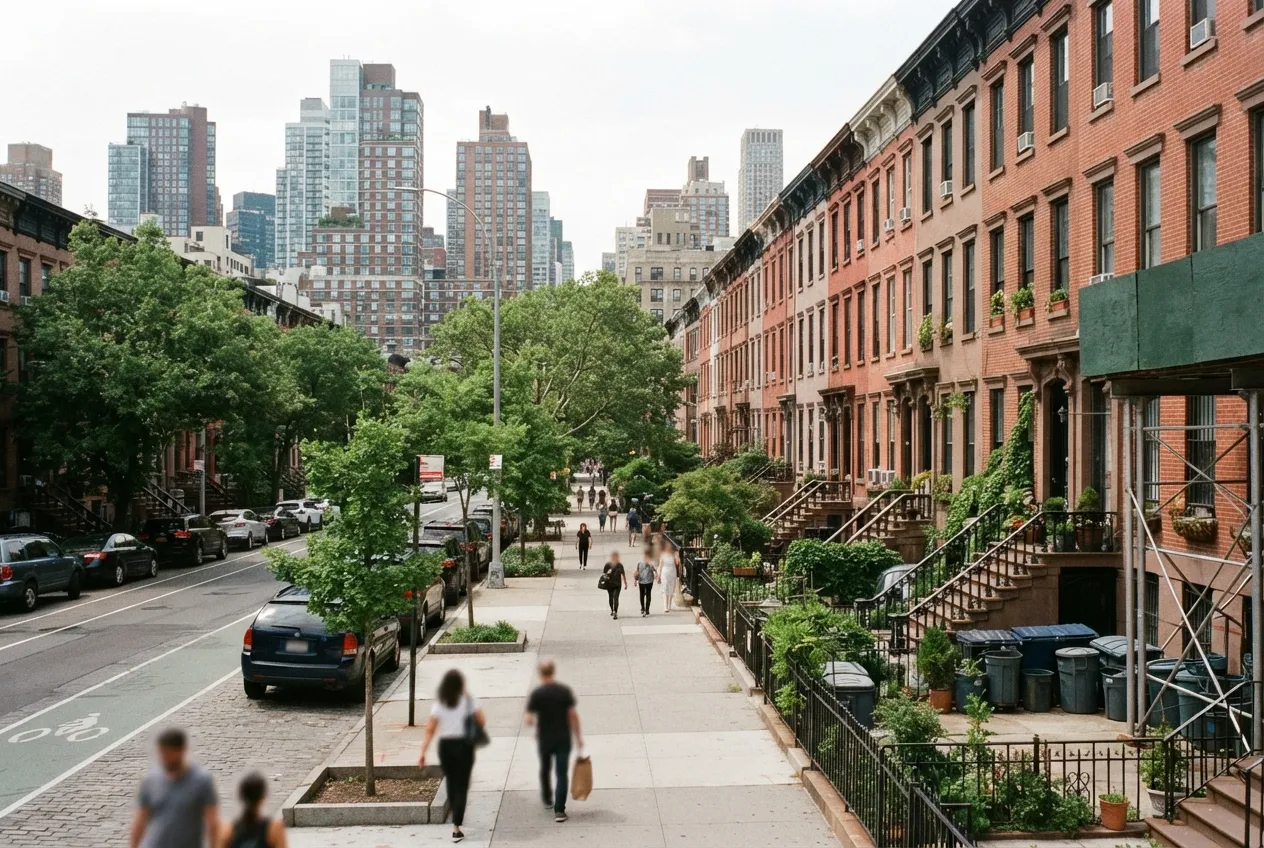
Downtown Brooklyn mixes older brownstones and rowhouses with pre-war apartment buildings and newer construction. Many of the older homes still rely on masonry chimneys that have been through decades of winters, soot and patch jobs. ProSweep Chimney Service repairs chimneys throughout the 11201 area from our office about 2 miles south. Our certified technicians work out why a chimney is failing, not just where the damage shows, and then repair the masonry, crown, flashing, cap or flue so the system works safely through the heating months. We explain what we find in plain terms, show you photos, and recommend only the work the chimney actually needs.
Common Chimney Problems in Downtown Brooklyn Homes
Most chimney damage we see in older Brooklyn masonry starts with water. Brick and mortar absorb moisture, and repeated freezing and thawing through the winter loosens joints and breaks the faces off bricks. Once water gets past the crown or flashing, it can show up as stains on ceilings and walls, peeling paint near the fireplace, or a musty smell, often several feet from where it actually got in.
On attached rowhouses and brownstones, a chimney stack is often built against or shared with a neighbor's wall. Before any work starts, we look at how the repair will tie into the adjoining masonry and roofing so it doesn't create a new leak next door.
- Cracked or crumbling chimney crowns that let water into the masonry
- Missing or eroded mortar joints that need repointing
- Spalling bricks with flaking or broken faces
- Failed flashing where the chimney meets a flat or sloped roof
- Rusted, damaged or missing chimney caps
- Cracked clay tile flue liners or gaps between tiles
- Damaged smoke chambers and fireboxes in working fireplaces
Inspection Comes Before Repair
The NFPA 211 standard calls for chimneys, fireplaces and vents to be inspected once a year. Chimney professionals use three levels of inspection. A Level 1 inspection fits when nothing about the system has changed. A Level 2 inspection is used when something does change, such as a new appliance or a switch of fuel, or when the home is sold. A Level 3 inspection is reserved for hidden hazards that can only be reached by opening part of the chimney or building.
When there is a leak, a crack or smoke where it shouldn't be, we look at the chimney from the roof and from inside, including a camera view of the flue when needed. That tells us whether a ceiling stain comes from the flashing, the crown or a cracked liner, so you fix the cause instead of guessing.
Oil-to-Gas Conversions and Flue Liners
Some pre-war apartment buildings and larger brownstones in the area still heat with oil boilers. When a New York City building converts its boiler from oil to gas, the chimney has to be evaluated as part of the work. A new liner is often needed because gas exhaust produces acidic condensate that can corrode a masonry flue.
We evaluate the existing flue, measure it for the new appliance, and install a properly sized liner when one is needed. We coordinate with your heating contractor so the chimney work and the boiler work fit together.
Planning Repairs Around Heat Season
New York City's heat season runs from October 1 through May 31. During those months, building owners must keep apartments heated to the city's minimum temperatures, so a boiler chimney that has to come out of service is a much bigger problem in January than in June.
If you own a multi-unit building or rent out part of a brownstone, late spring and summer are the easiest times for liner work and major masonry repairs. Smaller fixes, like a new cap or a flashing repair, can usually be done any time the weather allows.
What to Expect From a Repair Visit
We serve homeowners and building owners throughout Downtown Brooklyn and nearby DUMBO, Boerum Hill, Brooklyn Heights, Carroll Gardens and Cobble Hill.
- We inspect the chimney and take photos of what we find
- You get a written explanation of the problem and the repair we recommend
- We protect floors and furnishings near the fireplace or appliance before work begins
- Repairs use mortar, brick and materials suited to older masonry
- We show you the finished work and explain what to watch for going forward
More services in Downtown Brooklyn
- Chimney Sweep in Downtown Brooklyn
- Chimney Inspection in Downtown Brooklyn
- Air Duct Cleaning in Downtown Brooklyn
- Chimney Liner Installation in Downtown Brooklyn