
The short answer
Yes, the NFPA 211 standard calls for a yearly chimney inspection, and that applies to Downtown Brooklyn brownstones, rowhouses and pre-war buildings alike. Our certified technicians check flues, liners and masonry, and they tell you which inspection level fits your home and what, if anything, needs attention.
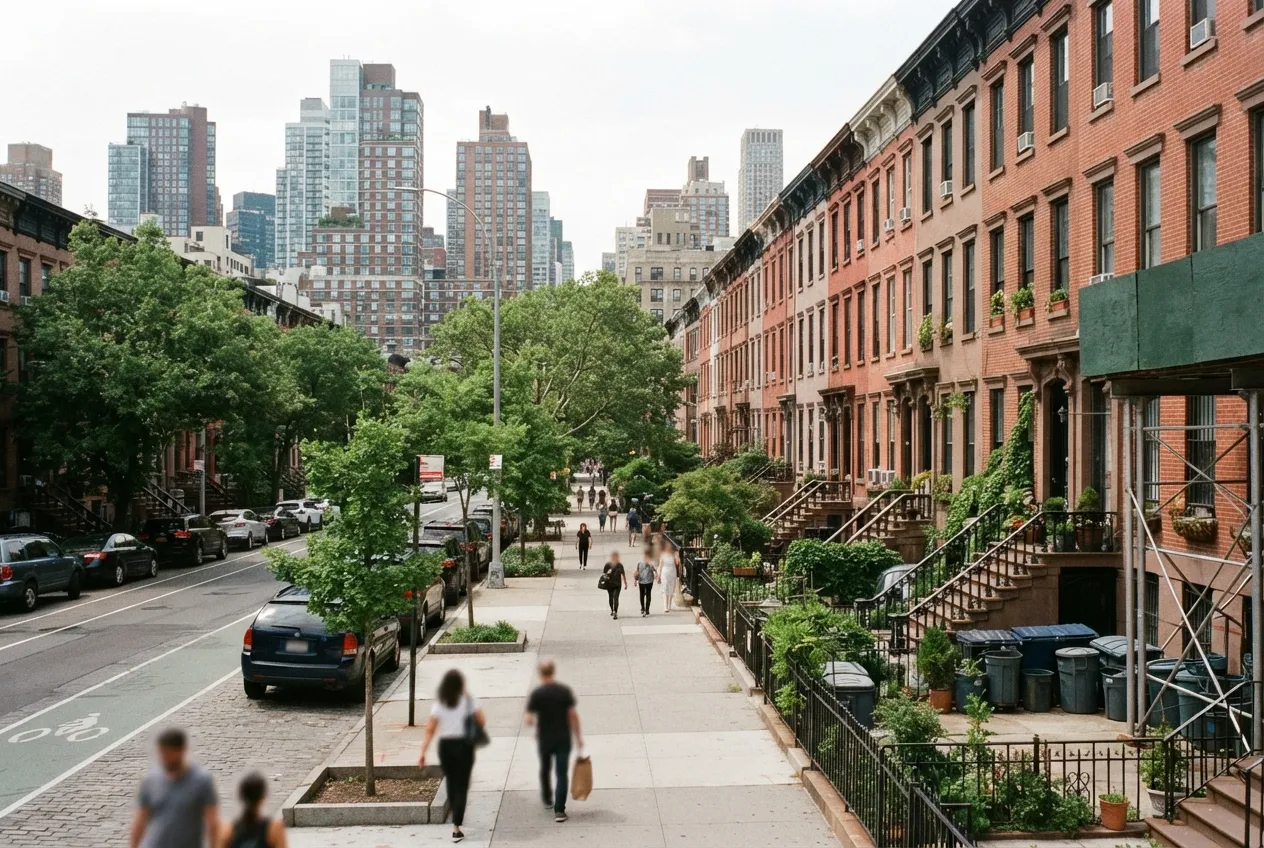
If you live in a brownstone, rowhouse or pre-war apartment building in Downtown Brooklyn (ZIP 11201), your chimney has probably been working for decades with little attention. ProSweep Chimney Service is based about 2 miles south of the neighborhood, so our certified technicians can reach you easily for a scheduled chimney inspection. An inspection tells you whether your fireplace, boiler or water heater flue is safe to use, what condition the masonry and liner are in, and whether anything needs repair before the next heating season.
Which inspection level your home needs
The NFPA 211 standard calls for chimneys, fireplaces and vents to be inspected once a year. Not every inspection is the same, though. Chimney professionals use three levels, and the right one depends on what has changed in your home since the last check.
If you are buying or selling a home in Downtown Brooklyn, plan for a Level 2 inspection so both sides know what the chimney looks like on the inside.
- Level 1: for a chimney whose use and setup haven't changed. We examine the readily accessible parts of the chimney, fireplace and appliance connection, inside and out.
- Level 2: for when the system changes, such as a new boiler, a new stove or insert, or a switch from oil to gas, and for when a home is sold. This adds a closer look at the flue, usually with a camera.
- Level 3: for when a hidden hazard has to be reached by opening part of the chimney or building. We only recommend this when earlier findings point to a problem that can't be confirmed any other way.
What we look for in Downtown Brooklyn's older chimneys
Many homes here are older masonry buildings, and their chimneys often serve more than one purpose. A brownstone or rowhouse may have several flues running through one stack. One might serve a parlor-floor fireplace, others a boiler or water heater, and some may have been sealed off years ago. Pre-war apartment buildings usually have a larger masonry chimney serving a central boiler. If a fireplace hasn't been used in years, it should be checked before you light it again, because neglected flues can hide damage.
During the inspection we check:
- Bricks, mortar joints and the crown at the top of the stack, which take the brunt of weather and freeze-thaw cycles
- Flue liners for cracks, gaps, missing sections or corrosion
- Creosote and soot buildup in wood-burning fireplaces
- Blockages from debris, fallen masonry or animal nests
- Dampers, smoke chambers and firebox walls
- Caps and flashing where the chimney meets the roof
- The connector pipe from a boiler or water heater into the chimney
Oil-to-gas conversions and chimney liners
When a New York City building converts its boiler from oil to gas, the chimney has to be evaluated as part of the work. A new liner is often needed, because gas exhaust produces acidic condensate that can corrode a masonry flue.
If your building has already converted, or a conversion is in the planning stage, an inspection shows whether the existing flue is in shape to handle gas exhaust or whether a liner is the safer path. We explain what we find in plain terms so you and your heating contractor can plan the rest of the job.
Timing your inspection around heat season
New York City's heat season runs from October 1 through May 31. During those months, building owners must keep apartments heated to the city's minimum temperatures. For buildings with a central boiler, that means the chimney carries exhaust for most of the year. If you find a cracked liner or blocked flue in January, you have fewer good options than if you find it in summer.
Late spring through early fall is the easiest time to schedule. If you burn wood in your fireplace, have the chimney inspected before your first fire of the season. We also serve nearby DUMBO, Boerum Hill, Brooklyn Heights, Carroll Gardens and Cobble Hill.
What happens during the visit
We put down drop cloths and protect the area around the fireplace or appliance. Then we work from the inside and, where safe access allows, from the roof. For Level 2 inspections we run a camera through the flue. Afterward we walk you through what we saw, show you photos when we take them, and tell you which issues need attention now and which can wait. If the chimney needs cleaning or repair, we explain your options before any work begins, and we leave the space as tidy as we found it.
More services in Downtown Brooklyn
- Chimney Sweep in Downtown Brooklyn
- Chimney Repair in Downtown Brooklyn
- Air Duct Cleaning in Downtown Brooklyn
- Chimney Liner Installation in Downtown Brooklyn