
The short answer
Cobble Hill homes should have their chimneys swept as needed and inspected once a year, as the NFPA 211 standard calls for. ProSweep's certified technicians clean wood-burning, gas and boiler flues in local brownstones, rowhouses and pre-war buildings, and tell you plainly what they found.
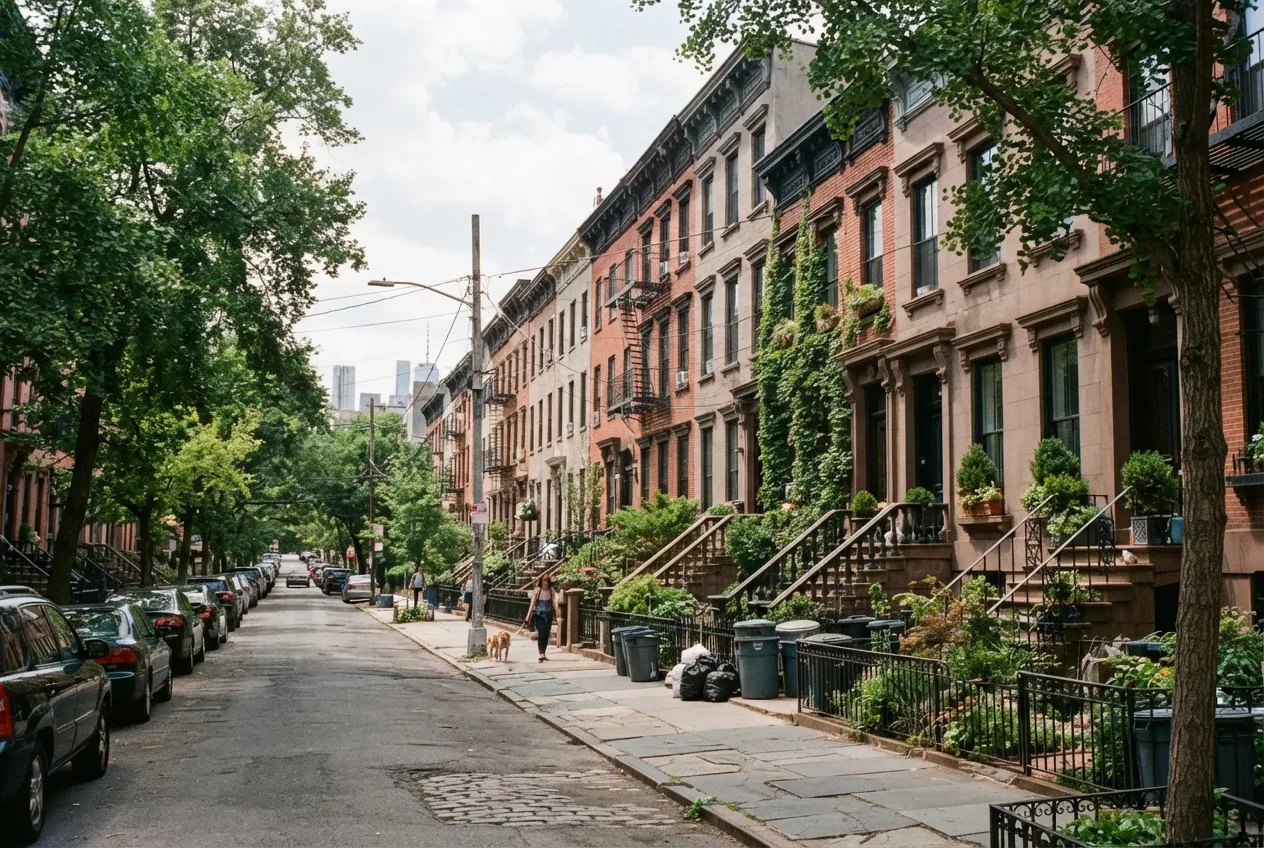
Many Cobble Hill brownstones and rowhouses were built with a fireplace in nearly every main room, so a single chimney stack often hides several separate flues. Some homeowners burn wood in a parlor fireplace, some vent a gas boiler through an old masonry chimney, and some have a flue nobody has looked at in years. Whatever is connected to it, a chimney has to be clean and sound to carry smoke and exhaust out of the house. ProSweep Chimney Service sweeps and inspects chimneys throughout Cobble Hill (11231), about a mile northwest of our Brooklyn office.
Why Cobble Hill Chimneys Need Regular Sweeping
Older Brooklyn masonry chimneys have particular problems. Brownstones and rowhouses usually share party walls, and their chimney stacks often hold flues for several floors side by side. A blockage or a cracked divider between flues can send smoke or exhaust somewhere it shouldn't go, including into the room next to the one you're heating.
Wood fires leave creosote on the inside of the flue. Creosote is a tar-like residue that can catch fire if it builds up. Chimneys that sit unused collect other debris: bird and animal nests, fallen mortar, and soot that loosens over time. Many decorative fireplaces in this neighborhood were closed off decades ago. If you plan to reopen one, have it swept and checked before you light anything in it.
What a Chimney Sweep Visit Includes
We work carefully inside lived-in homes, and many of them have original woodwork, plaster and mantels. A typical visit covers the following:
- Protecting floors and furnishings around the fireplace or appliance before any work starts
- Brushing the flue from top to bottom to remove soot, creosote and loose debris
- Cleaning the firebox, smoke shelf and damper area
- Checking the damper, chimney cap and crown for damage or missing parts
- Looking for nests, blockages and deteriorating mortar or flue tiles
- Explaining what we found, with photos when they help, and what, if anything, needs attention
Annual Inspections and the Three Inspection Levels
The NFPA 211 standard calls for chimneys, fireplaces and vents to be inspected once a year, even if you rarely use them. Chimney professionals use three levels of inspection, and the right level depends on your situation.
A Level 1 inspection fits when nothing about the system has changed and you have used it normally. A Level 2 inspection is called for when the system changes, such as a new appliance or a switch of fuel, or when the home is being sold. That makes it common in Cobble Hill, where houses change hands and get renovated. A Level 3 inspection is reserved for cases where a suspected hidden hazard can only be reached by opening part of the chimney or the building. We'll tell you which level applies and why.
Boiler Flues, Oil-to-Gas Conversions and Heat Season
Many pre-war apartment buildings and larger brownstones in the neighborhood vent a boiler through a masonry chimney. When a New York City building converts its boiler from oil to gas, the chimney has to be evaluated as part of the work. A new liner is often needed, because gas exhaust produces acidic condensate that can corrode a masonry flue. If you're planning a conversion, it's worth having the chimney looked at early so the liner question doesn't surprise you halfway through the project.
New York City's heat season runs from October 1 through May 31. During those months, building owners must keep apartments heated to the city's minimum temperatures. A boiler flue problem in January is far harder to deal with than one found in the summer or early fall, so owners of multi-unit buildings often schedule sweeping and inspection before October.
When to Schedule a Sweep
Late summer and early fall are the most practical times for most Cobble Hill households, before the first cold night. Call sooner if you notice any of these signs:
- A strong smoky or tar-like smell from the fireplace, especially in humid weather
- Smoke drifting into the room instead of going up the chimney
- Black, flaky or shiny deposits inside the firebox or flue
- Bits of tile, mortar or brick falling into the firebox
- Animal sounds or nesting material in the chimney
- A new appliance, a fuel change, or a fireplace you want to reopen
More services in Cobble Hill
- Chimney Inspection in Cobble Hill
- Chimney Repair in Cobble Hill
- Air Duct Cleaning in Cobble Hill
- Chimney Liner Installation in Cobble Hill