
The short answer
Cobble Hill homeowners should have their chimneys inspected once a year, as the NFPA 211 standard calls for, even if the chimney only vents a boiler or water heater. A Level 1 inspection fits a system with no changes. A Level 2 is used for a new appliance, a fuel switch such as an oil-to-gas conversion, or a home sale.
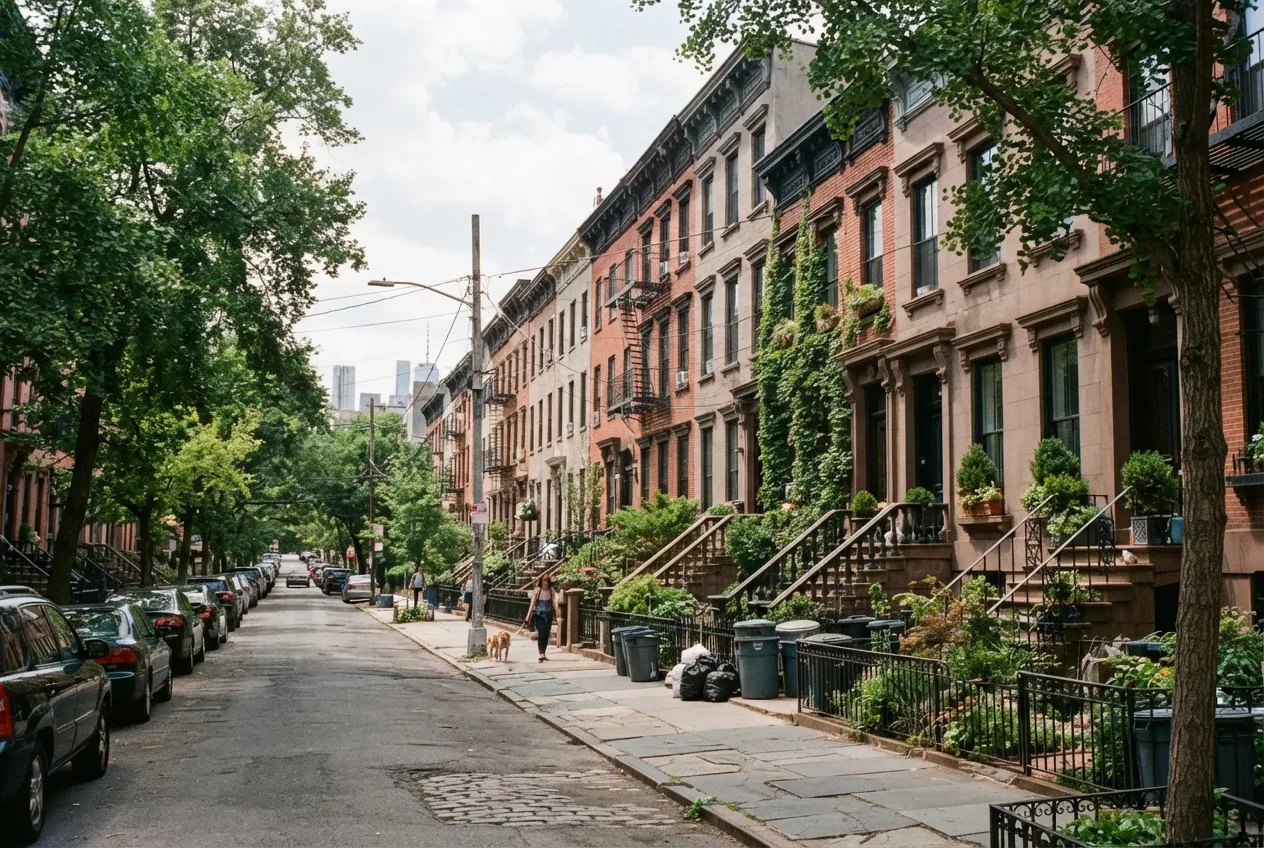
Most homes in Cobble Hill were built with masonry chimneys, and many of those chimneys have outlasted several heating systems. In a brownstone or rowhouse, one chimney stack may hold separate flues for a fireplace, a boiler and a water heater, plus a few that were closed off long ago. A chimney inspection sorts out which flues are in use, what condition they are in, and whether anything needs attention before you light a fire or turn on the heat. Our certified technicians work in Cobble Hill regularly, and our Brooklyn office is about a mile away.
What an Inspection Includes and Which Level You Need
The NFPA 211 standard calls for chimneys, fireplaces and vents to be inspected once a year. That applies whether you burn wood every weekend or only have a gas boiler venting through an old masonry flue. Chimney professionals use three inspection levels, and the right one depends on what has changed in your home.
- Level 1: for a chimney in regular use with no changes to the system. We check the accessible parts of the chimney, firebox, damper and connections for damage, blockages and buildup.
- Level 2: used when something changes, such as a new boiler, water heater or stove, a switch of fuel, or the sale of the home. It goes further than Level 1 and typically includes a video scan of the flue interior.
- Level 3: used when a hidden hazard has to be reached by opening part of the chimney or the building, such as concealed damage found during a Level 2.
Why Older Cobble Hill Chimneys Need a Careful Look
Brownstones and rowhouses share walls with their neighbors, and chimney stacks often run along those party walls. Cracked flue tiles or deteriorated mortar inside a chimney can't be seen from the room, and gaps can let heat, smoke or exhaust reach framing or neighboring spaces.
Many fireplaces in the neighborhood were sealed at some point and later reopened, or kept as decorative. Before you use one again, the flue should be checked for blockages such as old nests, fallen masonry and debris, and for a damper that actually works. On the roof, we look at the crown, flashing and cap, since water getting in is a common cause of deterioration in older masonry.
Oil-to-Gas Conversions and Flue Liners
When a New York City building converts its boiler from oil to gas, the chimney has to be evaluated as part of the work. Gas exhaust produces acidic condensate that can corrode a masonry flue, so a new liner is often needed.
A Level 2 inspection gives you a clear view of the flue's interior before or after a conversion, so you and your heating contractor know whether the existing chimney can safely vent the new appliance.
Plan Around NYC Heat Season
New York City's heat season runs from October 1 through May 31, and building owners must keep apartments heated to the city's minimum temperatures during that time. If you own a brownstone with a rental unit or a small pre-war building, a chimney problem that shuts down the boiler in midwinter quickly becomes your tenants' problem too. Scheduling the annual inspection in late spring or summer leaves time to handle any repairs before the heat comes on. If it's already mid-season, an inspection is still worth doing, especially if you notice smoke, odors or water stains near the chimney.
What to Expect During the Visit
A typical inspection is straightforward and tidy. Here is how it usually goes:
If cleaning or repairs are needed, we'll tell you why. An inspection does not automatically mean something is wrong.
- We cover the floor and furnishings around the fireplace or appliance before starting.
- We identify each flue in the stack and what it serves, including any that are no longer in use.
- We examine the firebox, damper, smoke chamber, flue and connections, using a camera when the inspection level calls for it.
- We check the exterior from the roof where it is safe and accessible: crown, flashing, cap and masonry.
- We walk you through what we found, what is in good shape, and what needs attention, in plain terms.
Serving Cobble Hill and Nearby Neighborhoods
We inspect chimneys throughout Cobble Hill (ZIP code 11231) and nearby in Carroll Gardens, Gowanus, Red Hook, Park Slope and Brooklyn Heights. Whether you have a single-family brownstone, a rowhouse with a garden-level unit or a pre-war apartment building, our certified technicians can assess the chimney and give you a straight answer about its condition.
More services in Cobble Hill
- Chimney Sweep in Cobble Hill
- Chimney Repair in Cobble Hill
- Air Duct Cleaning in Cobble Hill
- Chimney Liner Installation in Cobble Hill