
The short answer
A Cobble Hill chimney usually needs a new liner when the original clay tiles are cracked or missing, or when the heating equipment has changed, especially in an oil-to-gas boiler conversion. ProSweep inspects the flue first, then installs a stainless steel or cast-in-place liner sized to your boiler, furnace, water heater or fireplace.
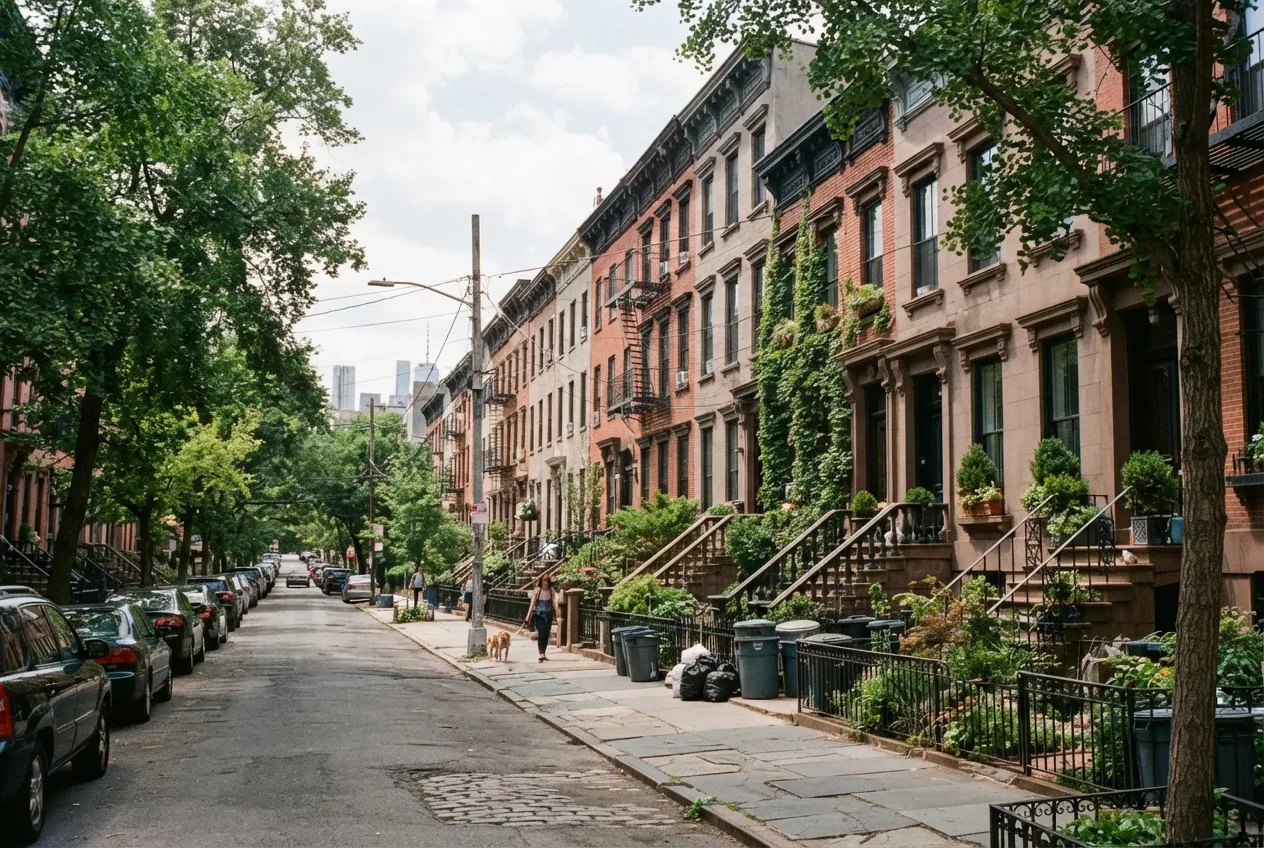
Many of the brownstones, rowhouses and pre-war apartment buildings in Cobble Hill were built with masonry chimneys that have vented several generations of heating equipment. Over the decades, clay flue tiles crack, mortar joints wear away, and a chimney built for one kind of appliance may not suit the one it serves today. ProSweep Chimney Service installs chimney liners for homes and buildings in Cobble Hill (ZIP 11231), about a mile northwest of our Brooklyn office. Our certified technicians start with an inspection, show you what we find, and fit a liner sized to the appliance it serves.
Why Older Cobble Hill Chimneys Often Need a Liner
A liner is the inner channel that carries smoke and exhaust up and out of the house. It keeps heat away from the surrounding brick and wood framing and gives combustion gases a smooth, correctly sized path to the top of the chimney. In older masonry chimneys, the original liner may be cracked, partly missing, or absent altogether.
These are the conditions we most often find in the neighborhood's attached homes and multifamily buildings:
- Cracked or shifted clay flue tiles
- Gaps in the mortar between tiles that let heat and gases reach the brick
- A flue too large for a modern boiler or water heater, which can cause weak draft and condensation
- Moisture stains, flaking brick or a damp smell near a fireplace or boiler room
- Heating equipment that has changed since the chimney was built
Oil-to-Gas Conversions and New Appliances
When a New York City building converts its boiler from oil to gas, the chimney has to be evaluated as part of the work. A new liner is often needed because gas exhaust produces acidic condensate that can corrode a masonry flue. This comes up often in Cobble Hill brownstones and pre-war buildings that have updated their heating systems.
The NFPA 211 standard calls for a Level 2 inspection when a system changes, such as adding a new appliance or switching fuel, and also when a home is sold. We can coordinate with your heating contractor so the liner is specified for the new boiler, furnace or water heater before it goes into service.
Liner Options We Install
The right liner depends on the appliance, the fuel and the shape of the existing flue. We will explain why we recommend one option over another so you can make an informed decision.
- Stainless steel liners, rigid or flexible, chosen in the correct grade for gas, oil or wood-burning appliances
- Insulated stainless steel liners where extra heat protection or better draft is needed
- Cast-in-place liners, formed from a mortar-like material inside the chimney, useful when a flue is irregular or the masonry needs added strength
- Relining a single flue in a chimney that carries several flues serving different units
How the Installation Works
Every job begins with an inspection, usually including a camera look inside the flue so you can see the condition of the tiles and joints yourself. If a hidden hazard can only be reached by opening part of the chimney or a wall, that is a Level 3 inspection, and we discuss it with you before any opening is made.
Installation generally means cleaning the flue, measuring it, lowering the liner from the roof, connecting it to the appliance, and fitting a top plate and cap. In attached rowhouses, roof access and shared party walls take some planning, and we will tell you ahead of time what the work involves and how long we expect to be on site.
Scheduling Around Heat Season
New York City's heat season runs from October 1 through May 31, when building owners must keep apartments heated to the city's minimum temperatures. For a multifamily building, relining a boiler flue during those months takes careful scheduling to keep the heating outage short. Late spring and summer offer the most flexibility, but we also handle liner work in winter when a flue fails. Along with Cobble Hill, we serve Carroll Gardens, Gowanus, Red Hook, Park Slope and Brooklyn Heights.
More services in Cobble Hill
- Chimney Sweep in Cobble Hill
- Chimney Inspection in Cobble Hill
- Chimney Repair in Cobble Hill
- Air Duct Cleaning in Cobble Hill