
The short answer
Chimney repair in Windsor Terrace usually means fixing worn mortar joints, cracked crowns, failed flashing, or damaged flue liners on older brick chimneys. ProSweep's certified technicians inspect the chimney first, show you what they found, and repair only what the chimney needs.
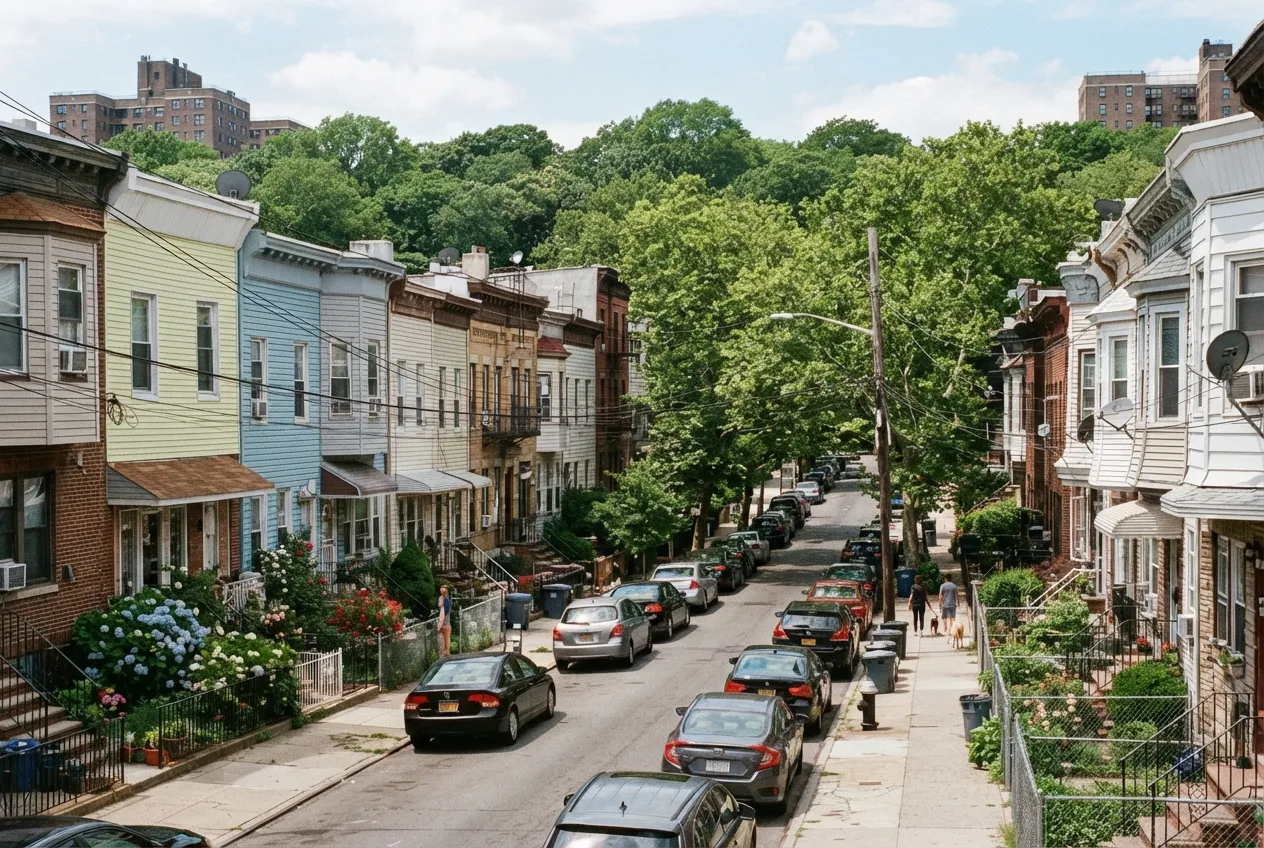
Many Windsor Terrace homes are rowhouses, attached brick and frame houses, and pre-war apartment buildings, and their chimneys have handled decades of New York winters. Freeze-thaw cycles, wind-driven rain, and years of heating exhaust wear down mortar, crowns, and flue liners, often out of sight. ProSweep Chimney Service repairs chimneys for homeowners and building owners throughout Windsor Terrace and the 11215 ZIP code. Our office is about a mile away in Brooklyn. Our certified technicians find what is actually wrong, explain it in plain terms, and fix the problem before it spreads into your walls, ceilings, or living space.
Common Chimney Problems in Windsor Terrace Homes
Older Brooklyn chimneys tend to fail in predictable ways. Brick and mortar absorb water. When that water freezes, it expands, and over several winters joints loosen and brick faces flake off. Crowns, the concrete or mortar caps at the top of the chimney, crack and let water run straight down into the masonry. Where the chimney meets the roof, flashing can pull away and cause leaks that show up as stains on top-floor ceilings or walls.
Inside the chimney, clay tile liners can crack, shift, or lose mortar between sections. A damaged liner lets heat and exhaust reach parts of the house they should never touch.
- Crumbling or missing mortar joints (repointing)
- Spalling or loose brick
- Cracked or deteriorated chimney crowns
- Leaking or separated roof flashing
- Cracked, gapped, or corroded flue liners
- Missing or damaged chimney caps that let in rain and animals
How We Approach a Repair
Every repair starts with an inspection, because the visible symptom is not always the real problem. A ceiling stain might come from flashing, a cracked crown, or water soaking through porous brick, and each one calls for a different fix. Under the NFPA 211 standard, chimneys, fireplaces, and vents should be inspected once a year. A Level 1 inspection fits when nothing has changed. A Level 2 inspection is called for when the system changes or the home is sold. A Level 3 inspection is used when a hidden hazard can only be reached by opening part of the chimney or building.
After the inspection, we walk you through what we found, often with photos, and explain which repairs are urgent and which can be planned for later. You decide what moves forward.
Oil-to-Gas Conversions and Chimney Liners
Many Brooklyn buildings have switched or are switching their boilers from oil to gas. In New York City, the chimney has to be evaluated as part of a boiler conversion. A new liner is often needed because gas exhaust produces acidic condensate that can corrode a masonry flue that was built for oil.
If you own a multi-family building or a house in Windsor Terrace that is going through a conversion, we can inspect the existing flue and explain whether it needs relining. We can also coordinate the liner work so the heating system vents safely once the new boiler is running.
Timing Repairs Around Heat Season
New York City's heat season runs from October 1 through May 31. During those months, building owners must keep apartments heated to the city's minimum temperatures. A chimney problem that takes the boiler offline in January is far more disruptive than one found and fixed in late summer.
For owners of rowhouses and small apartment buildings, it makes sense to schedule inspections and masonry repairs before October. Mortar work also cures better in mild weather. If something fails mid-winter, we will tell you plainly what has to be done right away to restore safe venting and what can wait until spring.
Serving Windsor Terrace and Nearby Neighborhoods
We work on chimneys across Windsor Terrace and in the surrounding neighborhoods, including South Slope, Park Slope, Prospect Heights, Carroll Gardens, and Cobble Hill. Brownstones, brick rowhouses, frame houses, and pre-war apartment buildings each come with their own chimney layouts and access challenges. Our technicians are used to tight rooflines, shared party walls, and masonry that has been patched many times over the years.
If you have noticed water stains, falling debris in the fireplace, loose brick, or a musty smell near the chimney, it's worth having it looked at before the problem grows.
More services in Windsor Terrace
- Chimney Sweep in Windsor Terrace
- Chimney Inspection in Windsor Terrace
- Air Duct Cleaning in Windsor Terrace
- Chimney Liner Installation in Windsor Terrace