
The short answer
Yes, Windsor Terrace homeowners should have their chimney inspected once a year, as the NFPA 211 standard calls for. Our certified technicians recommend the right inspection level for your home and explain what we find in plain language. A Level 2 inspection is the usual choice after a fuel switch, a new appliance or a home purchase.
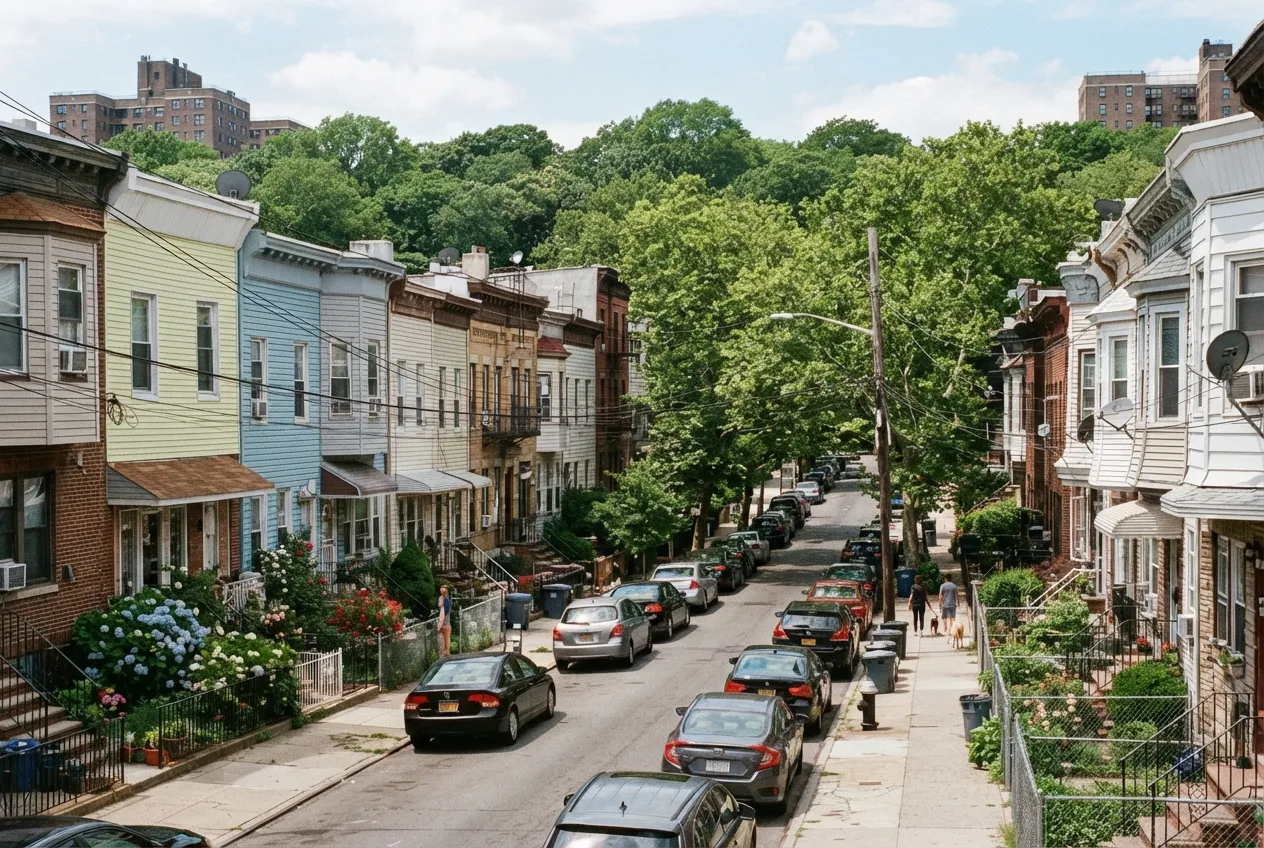
Windsor Terrace is about a mile southeast of our Brooklyn office, so our certified technicians can reach homes in 11215 without a long trip. The neighborhood has attached rowhouses, brick and frame houses, and pre-war apartment buildings. Chimneys here range from old masonry flues serving wood-burning fireplaces to lined flues venting modern gas boilers and water heaters. A chimney inspection tells you what condition your system is in, whether it is safe to use this season, and what needs attention before a small problem becomes a costly or dangerous one.
Why a Yearly Inspection Matters in Windsor Terrace
The NFPA 211 standard calls for chimneys, fireplaces and vents to be inspected once a year. That applies whether you light a fire a few weekends each winter or rely on a chimney that vents your boiler or water heater every day.
Many chimneys in the neighborhood are decades old. Mortar joints weather, clay flue tiles crack, and crowns and caps wear down through repeated freezing and thawing. In attached houses, a flue problem may not stay inside one home. New York City's heat season runs from October 1 through May 31, so heating equipment runs for most of the year. The chimney carrying its exhaust works just as hard.
Choosing the Right Inspection Level
Chimney professionals use three inspection levels. We recommend the one that fits your situation and explain why.
- Level 1: For a chimney in regular use with no changes. We examine the readily accessible parts of the chimney, the appliance connection and the flue for creosote, blockages and visible damage.
- Level 2: For when something changes, such as a new appliance or a switch of fuel, or when the home is being sold. This goes deeper and typically includes a camera scan of the flue interior and checks of accessible areas such as the attic and basement.
- Level 3: Only when a hidden hazard has to be reached by opening part of the chimney or the building. This is uncommon, and we discuss it with you fully before any work begins.
Oil-to-Gas Conversions and Chimney Liners
Some homes and buildings in Windsor Terrace still run oil-fired boilers, and many owners are planning a switch to gas. When a New York City building converts its boiler from oil to gas, the chimney has to be evaluated as part of the work. A new liner is often needed because gas exhaust produces acidic condensate that can corrode a masonry flue.
If you are planning a conversion, book the chimney inspection early so the liner question is settled before the boiler work is scheduled. If you have already converted and the flue was never checked, schedule a Level 2 inspection now.
What Happens During Your Visit
We cover floors and furniture near the fireplace or appliance. Then we work through the system from the firebox or connector pipe up to the crown and cap, where they can be reached safely. We look for creosote buildup, cracked or missing flue tiles, open mortar joints, water damage, nesting animals or debris, and problems with the damper, smoke chamber and cap.
Afterward we walk you through what we found, with photos where they help. If cleaning or repair is needed, we explain what and why, and you decide what to do next.
Signs You Should Not Wait for Your Yearly Check
Call for an inspection sooner if you notice any of the following:
- Smoke drifting back into the room when the fireplace is lit
- A strong smoky or musty smell, especially in humid weather
- White staining, loose bricks or crumbling mortar on the outside of the chimney
- Pieces of tile or masonry falling into the firebox
- Water stains on ceilings or walls near the chimney
- Scratching or chirping sounds inside the flue
- You recently bought the home and do not know the chimney's history
Serving Windsor Terrace and Nearby Neighborhoods
We inspect chimneys throughout Windsor Terrace and in nearby South Slope, Park Slope, Prospect Heights, Carroll Gardens and Cobble Hill. Whether you have a fireplace in a rowhouse parlor or a boiler flue in a pre-war building, our technicians will give you a clear picture of your chimney's condition.
More services in Windsor Terrace
- Chimney Sweep in Windsor Terrace
- Chimney Repair in Windsor Terrace
- Air Duct Cleaning in Windsor Terrace
- Chimney Liner Installation in Windsor Terrace