
The short answer
Windsor Terrace homes need a chimney liner when the existing flue is cracked, deteriorated, or the wrong size for the appliance it vents. A new liner is often needed after a boiler converts from oil to gas. Our certified technicians inspect the flue first, then install a liner matched to your appliance and fuel.
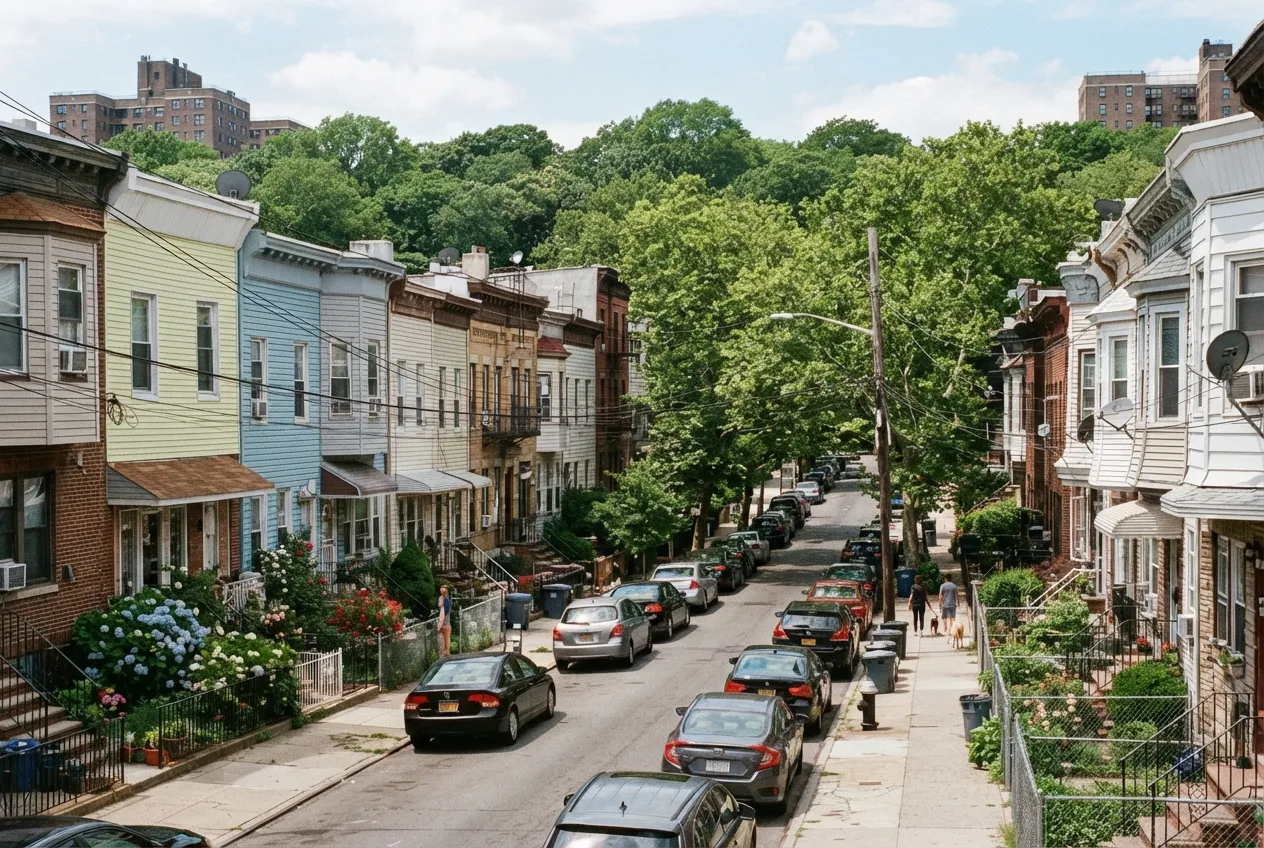
Many homes in Windsor Terrace were built with clay-tile or bare masonry flues that were never designed for today's boilers, water heaters, or wood fires. A flue can be cracked, the wrong size for its appliance, or about to switch to a new fuel. In each case, a properly sized liner keeps exhaust moving up and out instead of soaking into the masonry or leaking back into the house. ProSweep Chimney Service installs chimney liners for rowhouses, brownstones, pre-war apartment buildings, and detached homes throughout Windsor Terrace (ZIP code 11215), about a mile southeast of our Brooklyn office.
Why Windsor Terrace Chimneys Often Need a New Liner
Older Brooklyn chimneys usually have one of two setups: clay tile sections stacked inside the masonry, or no liner at all. Over decades, heating cycles, freeze-thaw weather, and moisture crack tiles and wash out mortar joints. That leaves gaps where heat and exhaust reach the brick. In attached rowhouses, a damaged flue sits right against shared walls, so the problem doesn't stay contained to one home.
Appliance changes are the other common reason. A new high-efficiency boiler or water heater often needs a smaller flue than the one it's connected to. An oversized flue lets exhaust cool too quickly, which can cause weak draft and condensation that breaks down the chimney from the inside. Warning signs include crumbling tile or mortar at the base of the chimney, white staining on the brick, and a musty or smoky smell near the appliance.
Oil-to-Gas Conversions in Brooklyn Buildings
When a New York City building converts its boiler from oil to gas, the chimney has to be evaluated as part of the work. A new liner is often needed because gas exhaust produces acidic condensate that can corrode a masonry flue.
If you own a brownstone or a multi-family building with a central boiler, bring us in early in the conversion. That way the liner work fits into the overall project schedule instead of holding it up at the end. The city's heat season runs from October 1 through May 31, and building owners must keep apartments heated to minimum temperatures during that time. Planning liner work for late spring or summer helps you avoid leaving tenants without heat.
How We Install a Chimney Liner
Every job starts with an inspection. The NFPA 211 standard calls for a Level 2 inspection when a system changes, such as a new appliance or a switch of fuel. That is usually our starting point. We run a camera through the full length of the flue to check its size, condition, and any bends or offsets.
On rowhouses and attached homes, roof access is part of the plan. Before the work day, we'll talk with you about how we'll reach the roof and how we'll protect the area around the appliance and clean-out.
- Confirm which appliances vent into the flue
- Measure the flue and size the liner to the appliance manufacturer's requirements
- Clean the chimney so the liner goes into a clear flue
- Install the liner from the appliance connection to the top of the chimney
- Seal the top with a cap and make the connection at the base
- Check draft and walk you through the finished work
Choosing the Right Liner Material
The right liner depends on what vents into the chimney. Stainless steel liners are common for gas and oil appliances. Flexible versions work well in the curved or offset flues found in many older Brooklyn chimneys. Wood-burning fireplaces need a liner rated for higher temperatures. Some masonry flues can instead be relined with a cast-in-place system that also reinforces the chimney walls.
Before any work begins, we explain which options fit your chimney and appliance, and why.
Serving Windsor Terrace and Nearby Neighborhoods
Along with Windsor Terrace, we install chimney liners in South Slope, Park Slope, Prospect Heights, Carroll Gardens, and Cobble Hill. Housing across these neighborhoods is similar: attached rowhouses, brownstones, and pre-war apartment buildings. As a result, the same flue problems come up often. After your liner is installed, keep the chimney on the once-a-year inspection schedule that NFPA 211 calls for, so small issues are caught before they become bigger ones.
More services in Windsor Terrace
- Chimney Sweep in Windsor Terrace
- Chimney Inspection in Windsor Terrace
- Chimney Repair in Windsor Terrace
- Air Duct Cleaning in Windsor Terrace