The short answer
A Red Hook chimney usually needs a new liner when the old clay flue is cracked, crumbling or wrongly sized, or when the building's boiler converts from oil to gas. Our certified technicians inspect the flue, size a stainless steel or insulated liner to the appliance, and install it from the roof.
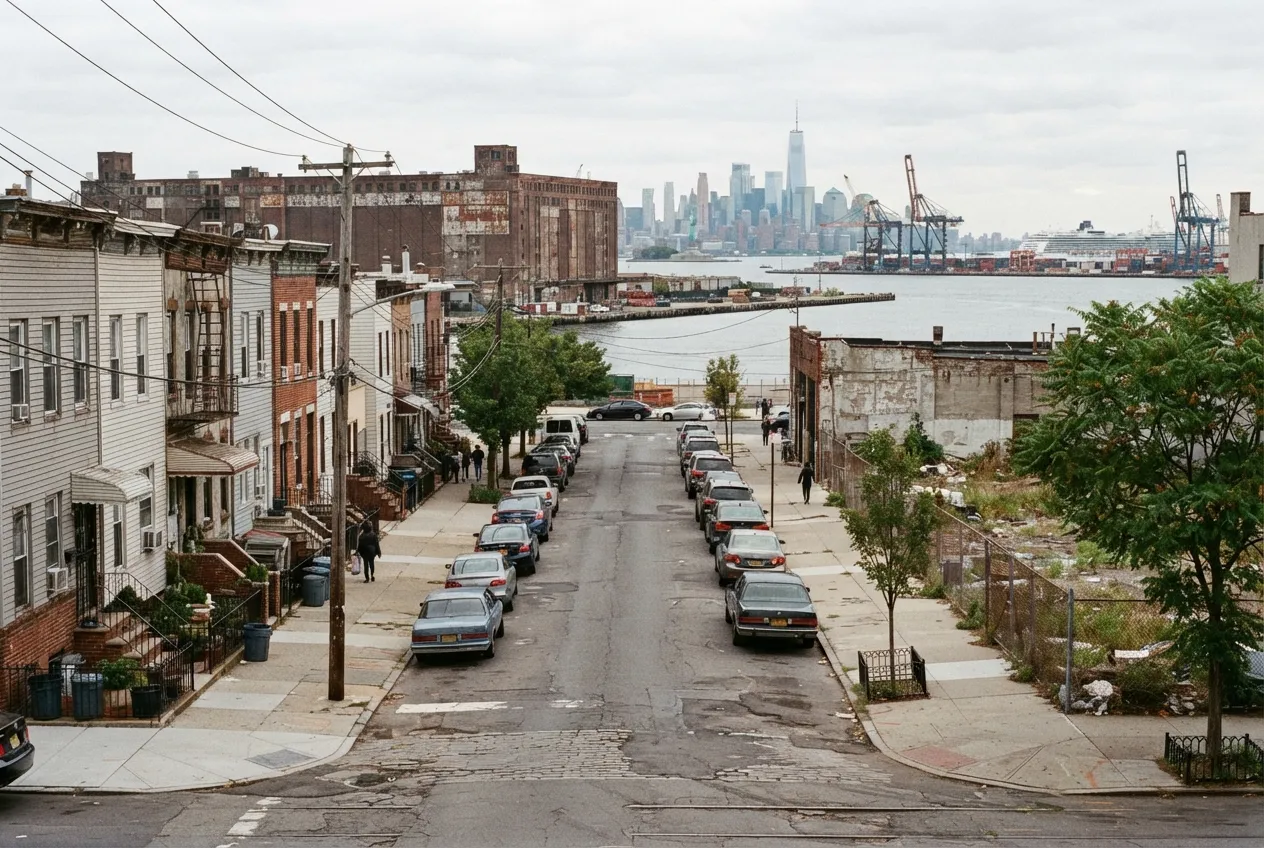
A chimney liner is the protective channel inside your flue. It carries smoke and exhaust gases out of the house and keeps heat and acidic condensate away from the brick. In Red Hook, many homes are older rowhouses, small multi-family buildings and pre-war apartment buildings. Their original clay tile liners are often cracked or missing in sections, or were never sized for today's boilers and water heaters. ProSweep Chimney Service installs new chimney liners for homeowners and building owners in ZIP code 11231, about a mile from our Brooklyn office.
When a Red Hook Chimney Needs a New Liner
Most liner problems can't be seen from inside the house. They show up during an inspection, when a technician looks up the flue with a camera or light. Common reasons we recommend relining include:
The NFPA 211 standard calls for chimneys, fireplaces and vents to be inspected once a year. If a yearly inspection turns up damage, a liner is often the most practical fix. It restores a safe, sealed path for exhaust without rebuilding the chimney.
- Cracked, shifted or missing clay tiles in an older masonry flue
- Crumbling or flaking brick and mortar inside the flue, often from years of acidic condensate
- A flue that is too large or too small for the appliance now connected to it
- Water stains, white residue on the outside brick, or debris collecting at the base of the chimney
- A chimney that was never lined at all, which is common in older buildings
Oil-to-Gas Conversions and Chimney Liners
Many Brooklyn buildings have switched their boilers from oil to gas, or are planning to. When a New York City building converts its boiler from oil to gas, the chimney has to be evaluated as part of the work. A new liner is often needed. Gas exhaust produces acidic condensate, and that condensate can corrode a masonry flue that handled oil exhaust without trouble for decades.
A change of fuel or a new appliance also calls for a Level 2 inspection. This is a more detailed look than the basic Level 1 check used when nothing has changed. If you are converting, bring us in early alongside your heating contractor. That way the chimney evaluation and any liner work fit into the project schedule instead of holding it up.
Liner Options for Red Hook Homes
The right liner depends on what the chimney serves and on the shape and condition of the flue. Our certified technicians size the liner to the appliance, not just to the opening at the top of the chimney.
- Stainless steel liners: the most common choice for gas boilers, furnaces and water heaters, and for many wood-burning fireplaces. They can run through flues with bends or offsets.
- Insulated liners: stainless steel liners wrapped in insulation. They help exhaust stay warm and draft properly, and they reduce condensation, especially in chimneys on exterior walls.
- Aluminum liners: used for some gas appliances where the appliance and code allow it.
- Fireplace relining: a properly sized liner can make an old fireplace flue usable again after inspection, if you want to start using a fireplace that has sat unused.
What Liner Installation Looks Like
In a rowhouse or small apartment building, liner work is usually done from the roof. We also need access inside to the appliance connection. A typical job follows these steps:
We protect floors and work areas inside the home, and we explain what we found before any work starts. Sometimes the inspection shows a problem a liner alone won't fix, such as damaged masonry or a crown that lets water in. If so, we tell you so you can decide how to proceed.
- Inspect the flue with a camera and measure its height, size and any offsets
- Clean the flue so the new liner goes into a clear passage
- Lower the liner from the top and connect it to the appliance at the base
- Fit a top plate and cap to seal the top and keep out rain, debris and animals
- Check the connection and draft once the appliance is running
Plan Liner Work Ahead of Heat Season
New York City's heat season runs from October 1 through May 31. During that time, building owners must keep apartments heated to the city's minimum temperatures. For owners of multi-family buildings in Red Hook, late spring and summer are the most practical times for liner work, because the boiler can be shut down without leaving tenants without heat. Single-family homeowners benefit from the same timing, since the work is done before the cold weather arrives.
Along with Red Hook, we install chimney liners in nearby Carroll Gardens, Cobble Hill, Gowanus, Park Slope and Brooklyn Heights.
More services in Red Hook
- Chimney Sweep in Red Hook
- Chimney Inspection in Red Hook
- Chimney Repair in Red Hook
- Air Duct Cleaning in Red Hook