The short answer
Red Hook homeowners should have their chimney inspected once a year, as the NFPA 211 standard calls for. A Level 1 inspection covers most homes; a Level 2 is needed after a boiler or fuel change or when the property is sold, and a Level 3 only when a hidden hazard has to be reached.
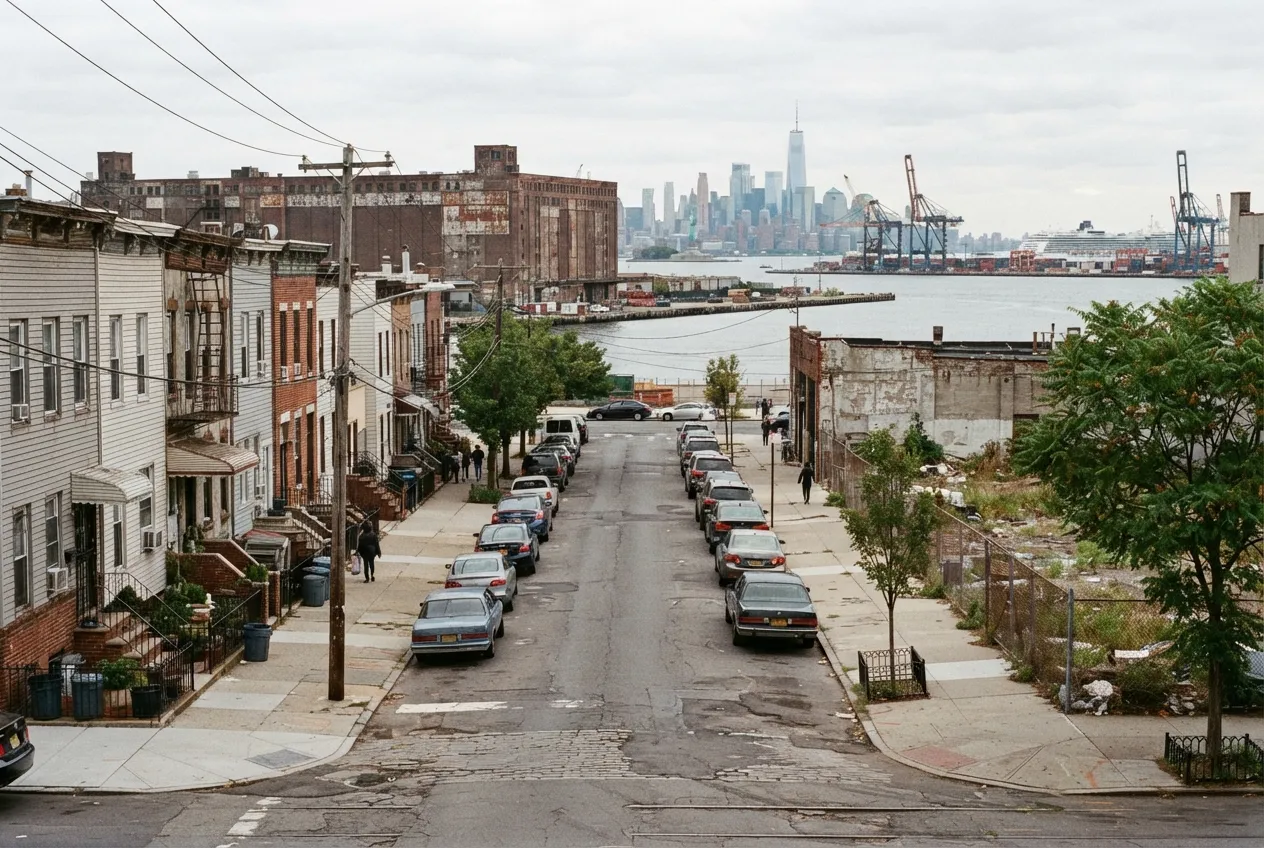
Red Hook homes have a lot riding on their chimneys. Brick rowhouses, small multi-family buildings and pre-war apartment buildings across the 11231 ZIP code often rely on masonry flues that have served several generations of heating equipment. ProSweep Chimney Service is about a mile southeast of Red Hook, so our certified technicians can reach you quickly for a scheduled yearly check, a pre-sale inspection, or an evaluation after a change to your heating system. This page covers what a chimney inspection in Red Hook involves, which level you are likely to need, and when to book it.
Why a Yearly Chimney Inspection Matters in Red Hook
The NFPA 211 standard calls for chimneys, fireplaces and vents to be inspected once a year. That applies whether you burn wood in a parlor fireplace or vent a gas boiler through a brick chimney in the cellar. Many Red Hook chimneys are old masonry, and old masonry changes slowly: mortar joints wear, flue tiles crack, and crowns and caps take a beating from wind and wet weather.
A yearly inspection catches these changes while they are still small. It also confirms that exhaust from your boiler, furnace or water heater is actually leaving the house instead of drifting back into living space.
Which Inspection Level Your Home Needs
Chimney professionals use three inspection levels. We will tell you which one fits your situation before we start, and we will explain why if a higher level turns out to be necessary.
- Level 1: for chimneys where nothing has changed since the last inspection. We check the readily accessible parts of the chimney, the appliance connection and the flue for blockages and obvious damage.
- Level 2: for when the system changes, such as a new boiler or a switch of fuel, or when the home is sold. This includes a camera inspection of the flue's interior and a closer look at accessible areas like the attic and basement.
- Level 3: for when a hidden hazard has to be reached by opening part of the chimney or the building. This is uncommon and is only recommended when earlier findings point to a concealed problem.
What We Look at in Red Hook Rowhouses and Apartment Buildings
Attached rowhouses and small multi-family buildings often have chimneys that sit against shared walls or carry more than one flue. Our technicians check each flue separately so that a problem in one does not get missed because another looks fine.
On a typical visit we examine the chimney crown, cap and flashing from the roof where it is safe to do so, the flue lining for cracks, gaps and deposits, the connector pipe from your heating appliance, and the base of the chimney in the basement for debris or signs of water. Afterward you get a plain-language explanation of what we found, with photos where they help.
Converting From Oil to Gas? Plan for the Chimney
When a New York City building converts its boiler from oil to gas, the chimney has to be evaluated as part of the work. A new liner is often needed, because gas exhaust produces acidic condensate that can corrode a masonry flue that was fine for oil.
If your Red Hook building is planning a conversion, schedule the chimney evaluation early. Knowing the condition of the flue up front helps you and your heating contractor plan the job without surprises late in the process.
Timing Your Inspection Around Heat Season
New York City's heat season runs from October 1 through May 31, when building owners must keep apartments heated to the city's minimum temperatures. For landlords and owner-occupants with tenants, that makes late summer and early fall the practical time to inspect, so any repairs can be finished before the boiler is running every day.
If you missed that window, an inspection during the season is still worth doing. Call us sooner rather than later if you notice smoke or fumes indoors, a strong odor from the fireplace, water stains near the chimney, or pieces of tile or masonry at the base of the flue.
Serving Red Hook and Nearby Neighborhoods
Along with Red Hook, our certified technicians inspect chimneys in Carroll Gardens, Cobble Hill, Gowanus, Park Slope and Brooklyn Heights. Many homes in these neighborhoods share the same building types and the same questions about aging masonry and heating upgrades, so the approach described here applies across the area.
More services in Red Hook
- Chimney Sweep in Red Hook
- Chimney Repair in Red Hook
- Air Duct Cleaning in Red Hook
- Chimney Liner Installation in Red Hook