
The short answer
A chimney liner protects the masonry from heat and corrosive exhaust and keeps gases moving safely out of the home. In Brooklyn Heights, liners are most often needed when an old clay flue is cracked or when a building converts its boiler from oil to gas. ProSweep inspects the flue first, then sizes and installs the right liner.
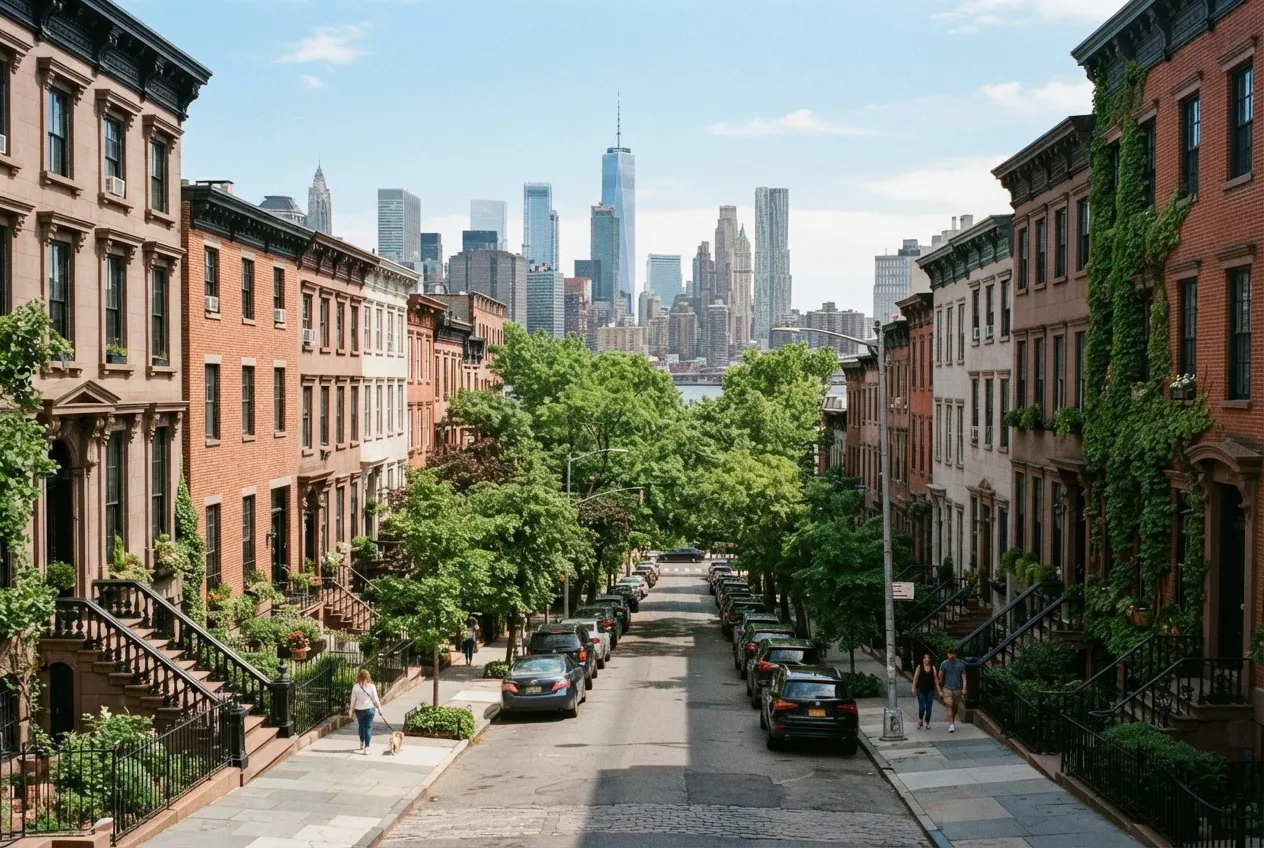
Many homes in Brooklyn Heights have masonry chimneys that were built long before today's furnaces, boilers and water heaters existed. Brownstones, rowhouses and pre-war apartment buildings often have clay tile flues that have cracked over time, or no liner at all. ProSweep Chimney Service installs chimney liners for homeowners and building owners in Brooklyn Heights, about 2 miles north of our Brooklyn office. Our certified technicians start by inspecting the flue, then recommend a liner that fits the appliance it serves and the chimney it has to fit inside.
Why Older Brooklyn Heights Chimneys Often Need a Liner
Brownstones and rowhouses in Brooklyn Heights usually share party walls, and their chimneys often run up through those walls alongside a neighbor's flue. When the liner inside is cracked or missing, heat, smoke and exhaust can reach the brick, the mortar and, in some cases, the framing or the house next door.
Decades of freeze-and-thaw cycles, settling and moisture take a toll on clay tile and mortar joints. A flue can look fine from the roof and still have gaps partway down. That is why we inspect before we quote any work, using a camera to see the full length of the flue when needed.
Oil-to-Gas Conversions in Brownstones and Pre-War Buildings
Many pre-war apartment buildings and larger brownstones in the neighborhood have moved, or are planning to move, from oil heat to gas. When a New York City building converts its boiler from oil to gas, the chimney has to be evaluated as part of the work. A new liner is often needed because gas exhaust produces acidic condensate that can corrode a masonry flue from the inside.
We coordinate with your heating contractor so the liner is sized for the new boiler and water heater, not the old oil burner. Because the city's heat season runs from October 1 through May 31, building owners usually want this work planned for the warmer months so tenants keep heat when it counts.
Liner Options We Install
The right liner depends on the fuel, the appliance, and the size and shape of the existing flue. Narrow or offset flues, which are common in older rowhouses, need a different approach than a straight, wide chimney. We explain the options in plain terms and tell you why we recommend one over another.
- Stainless steel liners for gas and oil boilers, furnaces and water heaters
- Insulated stainless liners for wood-burning fireplaces and stoves
- Flexible stainless liners for flues with bends or offsets
- Rigid liners for straight runs where the flue size allows
- New top plates and rain caps to keep water and animals out
How the Installation Works
Every job begins with an inspection. The NFPA 211 standard calls for chimneys, fireplaces and vents to be inspected once a year, and it describes a Level 2 inspection when the system changes, such as a new appliance or a switch of fuel, or when a home is sold. A liner job usually falls into that category. If a hidden problem has to be reached by opening part of the chimney or wall, that is a Level 3 inspection, and we will tell you before any opening is made.
Once we know what the flue needs, we clean it, measure it, and install the liner from the roof down. We connect it to the appliance, seal the top, and fit a cap. When we finish, we walk you through what we did and share photos of the flue so you can see the result for yourself.
Serving Brooklyn Heights and Nearby Neighborhoods
Brooklyn Heights is a short trip from our office, so scheduling an inspection is straightforward. We also install chimney liners in Downtown Brooklyn, DUMBO, Boerum Hill, Carroll Gardens and Cobble Hill, where many of the same brownstones, rowhouses and pre-war buildings face the same aging-flue issues.
Whether you own a single-family brownstone or manage a multi-unit building, we work around tenants and neighbors, protect floors and furnishings, and keep the work area clean. If you are unsure whether your chimney needs a liner, an inspection is the place to start.
More services in Brooklyn Heights
- Chimney Sweep in Brooklyn Heights
- Chimney Inspection in Brooklyn Heights
- Chimney Repair in Brooklyn Heights
- Air Duct Cleaning in Brooklyn Heights