
The short answer
Chimneys, fireplaces and vents in Gowanus homes should be inspected once a year, as the NFPA 211 standard recommends. A more detailed inspection is needed when you change appliances or fuel, convert a boiler from oil to gas, or buy or sell a home. The best time to schedule is before New York City's heat season starts on October 1.
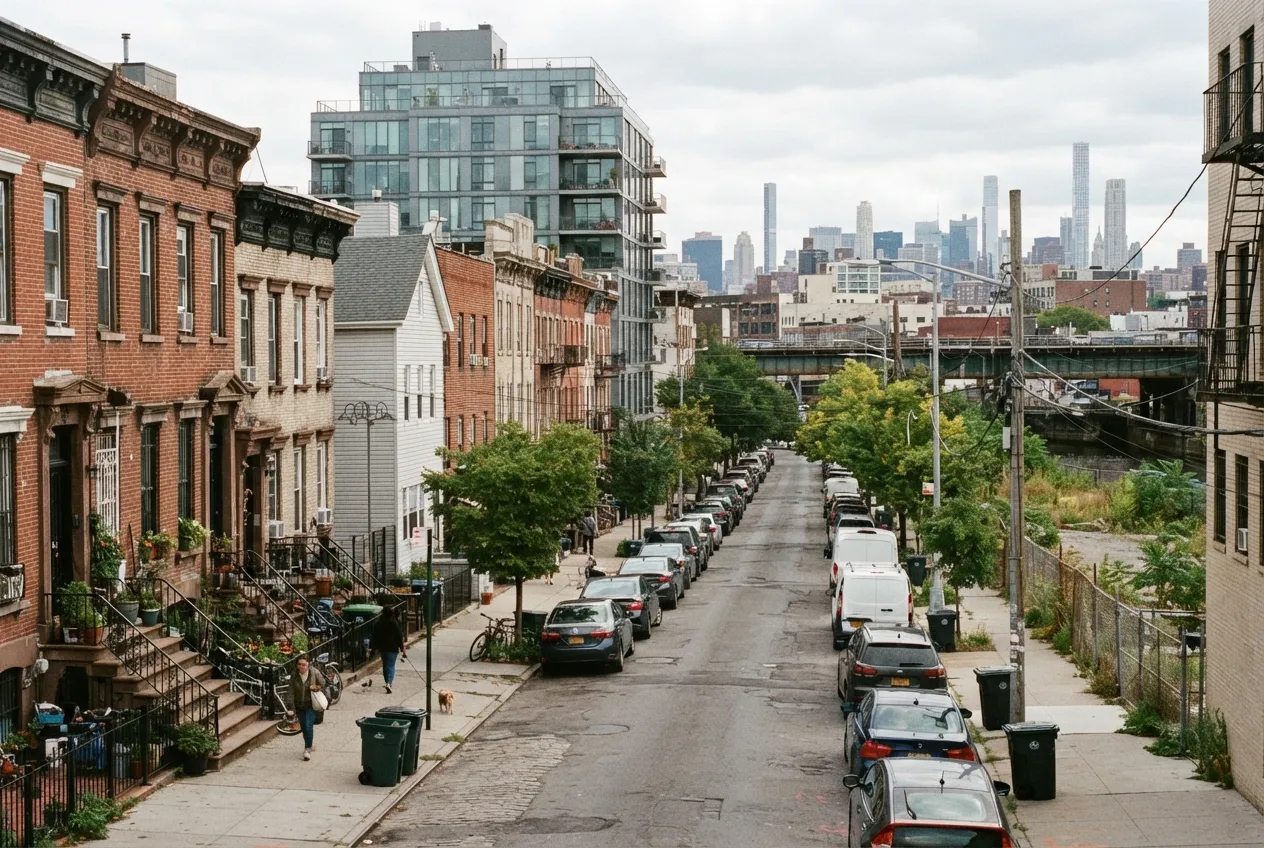
Gowanus has a mix of older rowhouses, brownstones, pre-war apartment buildings and newer residential construction. Many of these homes still depend on a masonry chimney, whether it serves a wood-burning fireplace, a gas insert or the boiler in the basement. ProSweep Chimney Service is based about a mile southeast of Gowanus, so our certified technicians can reach homes in the 11231 ZIP code easily. A chimney inspection tells you whether your flue is clear, whether the liner is intact and whether the system is safe to use before you depend on it for heat.
Why Gowanus Homes Need a Yearly Chimney Inspection
The NFPA 211 standard calls for chimneys, fireplaces and vents to be inspected once a year. This applies whether you burn wood several nights a week or only run a gas boiler. Fireplaces build up creosote. Boiler and furnace flues can collect debris, lose mortar or develop liner damage that you can't see from inside the house.
Older masonry rowhouses and brownstones often have chimneys that have been patched, relined or repurposed over the decades. Each change can leave gaps, mismatched liners or flues that no longer fit the appliance connected to them. A yearly inspection catches these problems while they are still small and before smoke or carbon monoxide has a chance to reach your living space.
The Three Inspection Levels, Explained
Chimney professionals use three levels of inspection. The right level depends on what has changed in your home since the last time someone looked at the chimney.
- Level 1: A visual check of the accessible parts of the chimney, the firebox and the connections. This fits a system that hasn't changed and has been used as intended.
- Level 2: A more detailed inspection that usually includes a camera scan of the flue interior. It is called for when you add or replace an appliance, switch fuels, or sell or buy a home.
- Level 3: Used when a hidden hazard can only be reached by opening part of the chimney or the building, such as a wall or chase. We recommend it only when a Level 2 finding points to a concealed problem.
Oil-to-Gas Conversions and Chimney Liners
Many Gowanus buildings have converted, or plan to convert, their boilers from oil to gas. In New York City the chimney has to be evaluated as part of that work. This is about more than paperwork. Gas exhaust produces acidic condensate, and over time it can corrode a masonry flue that was built for oil.
A new liner is often needed after a conversion. If your building has recently switched fuels, or a contractor is quoting one now, a Level 2 inspection shows the current condition of the flue. It also tells you whether the existing liner is suitable for the new appliance.
Timing Your Inspection Around Heat Season
New York City's heat season runs from October 1 through May 31. During those months, building owners must keep apartments heated to the city's minimum temperatures. If you own a multi-unit building in Gowanus, a boiler flue problem found in January can turn into an urgent repair while tenants are waiting for heat.
We suggest booking your inspection in late spring or summer. That timing gives you room to plan any repairs, relining or cleaning before the boiler runs full time. Homeowners with fireplaces benefit from the same schedule because the chimney is ready before the first cold night.
What to Expect During Your Visit
Our technicians protect the area around the fireplace or appliance before they start. They walk you through what they find as they go.
- A check of the firebox, damper, smoke chamber and flue for creosote, cracks and blockages
- A review of the connection between your boiler, furnace or water heater and the chimney
- An exterior look at the crown, cap and masonry where it can be safely reached
- A camera inspection of the flue when a Level 2 inspection is called for
- A plain-language summary of findings, with photos where possible, and any recommended next steps
Serving Gowanus and Nearby Neighborhoods
Along with Gowanus, we inspect chimneys in Carroll Gardens, Cobble Hill, Red Hook, Park Slope and Brooklyn Heights. Housing across these neighborhoods is similar, mostly brownstones, rowhouses and pre-war buildings, so the same issues come up often. These include aging liners, worn mortar joints and flues shared between several appliances.
More services in Gowanus
- Chimney Sweep in Gowanus
- Chimney Repair in Gowanus
- Air Duct Cleaning in Gowanus
- Chimney Liner Installation in Gowanus