
The short answer
Carroll Gardens homeowners should have their chimneys inspected once a year, as the NFPA 211 standard recommends, and again when they change heating equipment, switch fuel, or buy or sell a home. ProSweep's certified technicians perform Level 1, 2 and 3 inspections for brownstones, rowhouses and pre-war buildings in 11231.
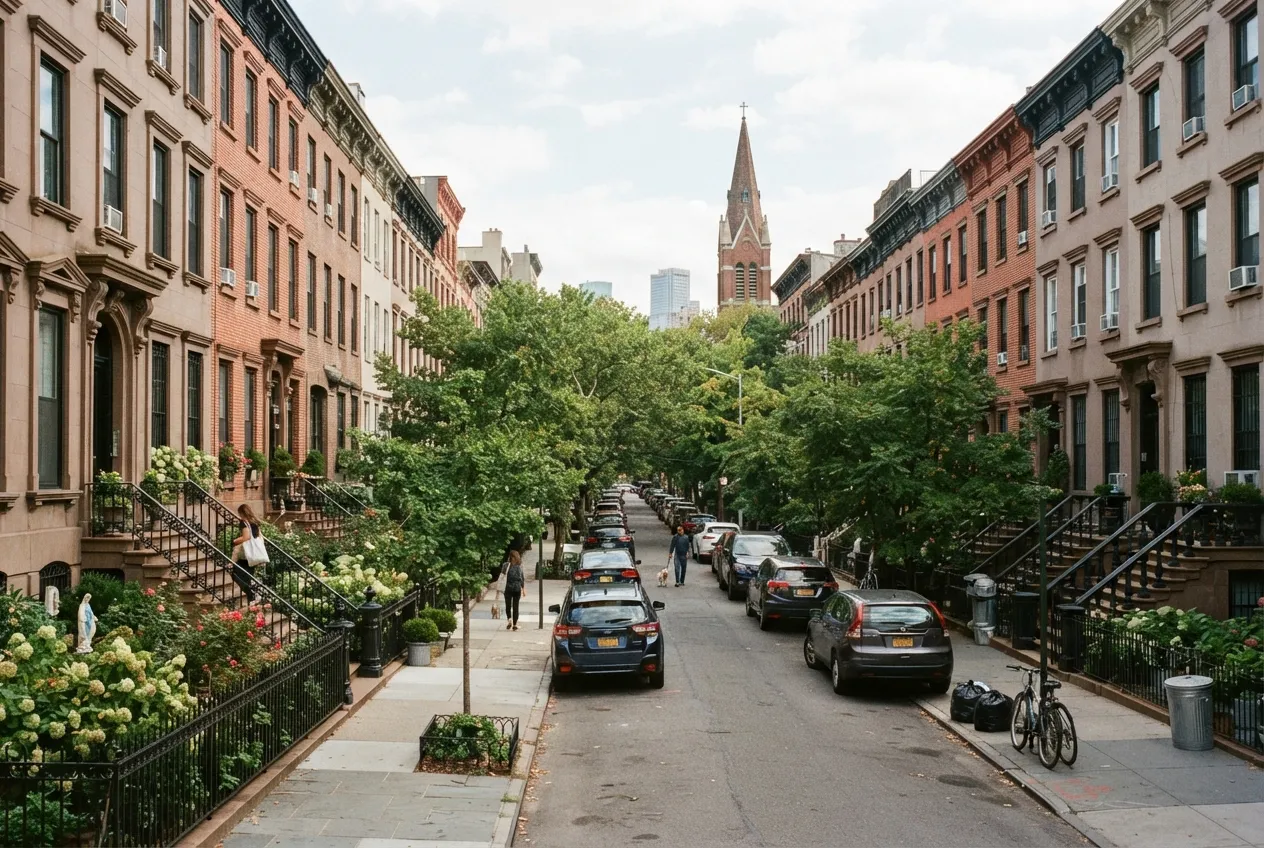
Many homes in Carroll Gardens were built long before modern heating systems, and their chimneys have served wood fireplaces, coal stoves, oil boilers and gas furnaces over the decades. Each change leaves its mark on the flue. ProSweep Chimney Service is based about a mile southeast of Carroll Gardens, and our certified technicians inspect chimneys in brownstones, rowhouses and pre-war apartment buildings throughout ZIP code 11231. An inspection tells you whether your chimney is safe to use, what condition the liner and masonry are in, and whether anything needs attention before the next heating season.
Why Yearly Inspections Matter for Carroll Gardens Homes
The NFPA 211 standard calls for chimneys, fireplaces and vents to be inspected once a year. That advice matters in a neighborhood where much of the housing stock is old masonry construction. Brick and mortar wear down slowly. Clay flue tiles crack. Old liners may never have been sized for the appliance now connected to them.
Many of these problems can't be seen from the living room or the roof. A fireplace can draw well and a boiler can run normally while a cracked liner lets heat or exhaust reach the wood framing in a party wall. A yearly inspection catches these issues while they are still small, and before a tenant, a neighbor or your own family is exposed to the risk.
The Three Levels of Chimney Inspection
Chimney professionals use three inspection levels. The right level depends on what has changed with your home and your heating system.
- Level 1: For chimneys in continued use with no changes. We check the accessible parts of the chimney, the flue, the firebox or appliance connection, and look for obstructions and combustible deposits.
- Level 2: Needed when the system changes, such as a new boiler, a new stove insert or a switch of fuel, and when a home is sold. This includes a video scan of the flue interior, plus accessible areas of the attic, basement and roof.
- Level 3: Used when a hidden hazard is suspected and the only way to reach it is to open part of the chimney or the building, such as a section of wall or chimney chase.
Oil-to-Gas Conversions and Your Chimney
Many Brooklyn buildings have moved from oil to gas heat. When a New York City building converts its boiler from oil to gas, the chimney has to be evaluated as part of the work. A new liner is often needed, because gas exhaust produces acidic condensate that can corrode a masonry flue. An unlined or poorly lined flue can deteriorate from the inside without obvious signs.
If you are planning a conversion in a Carroll Gardens brownstone or small apartment building, a Level 2 inspection gives you and your heating contractor a clear record of the flue's condition and size. That way, liner decisions are based on what is actually inside the chimney, not guesses.
What Our Technicians Look For
Every inspection ends with a plain-language explanation of what we found, with photos or video where they help. We separate items that need prompt repair from things to watch over time.
- Cracked, missing or displaced flue tiles and liner damage
- Creosote and soot buildup in wood-burning flues
- Blockages from debris, nests or fallen masonry
- Loose bricks, failing mortar joints and crown damage on the roof
- Missing or damaged chimney caps and flashing leaks
- Proper connection and clearance for boiler, furnace and water heater vents
Timing Your Inspection Around Heat Season
New York City's heat season runs from October 1 through May 31, when building owners must keep apartments heated to the city's minimum temperatures. For owners of multi-family rowhouses and pre-war buildings, a chimney problem during those months can mean shutting down the boiler while tenants still need heat.
Late spring and summer are good times to schedule an inspection. Any repairs or relining can be done before the heating system has to run every day. Homeowners who use a wood fireplace should also book before the first fire of the fall.
Serving Carroll Gardens and Nearby Neighborhoods
Our office is close by, so reaching Carroll Gardens is easy for our crews. We also inspect chimneys in Cobble Hill, Gowanus, Red Hook, Park Slope and Brooklyn Heights. These areas share much of the same housing: brownstones, rowhouses and pre-war apartment buildings with older masonry chimneys.
More services in Carroll Gardens
- Chimney Sweep in Carroll Gardens
- Chimney Repair in Carroll Gardens
- Air Duct Cleaning in Carroll Gardens
- Chimney Liner Installation in Carroll Gardens