
The short answer
ProSweep Chimney Service provides chimney sweeping, chimney inspections, liner work for oil-to-gas conversions, dryer vent cleaning and air duct cleaning throughout Brooklyn. The NFPA 211 standard calls for chimneys, fireplaces and vents to be inspected once a year, and we can tell you which inspection level your home needs.
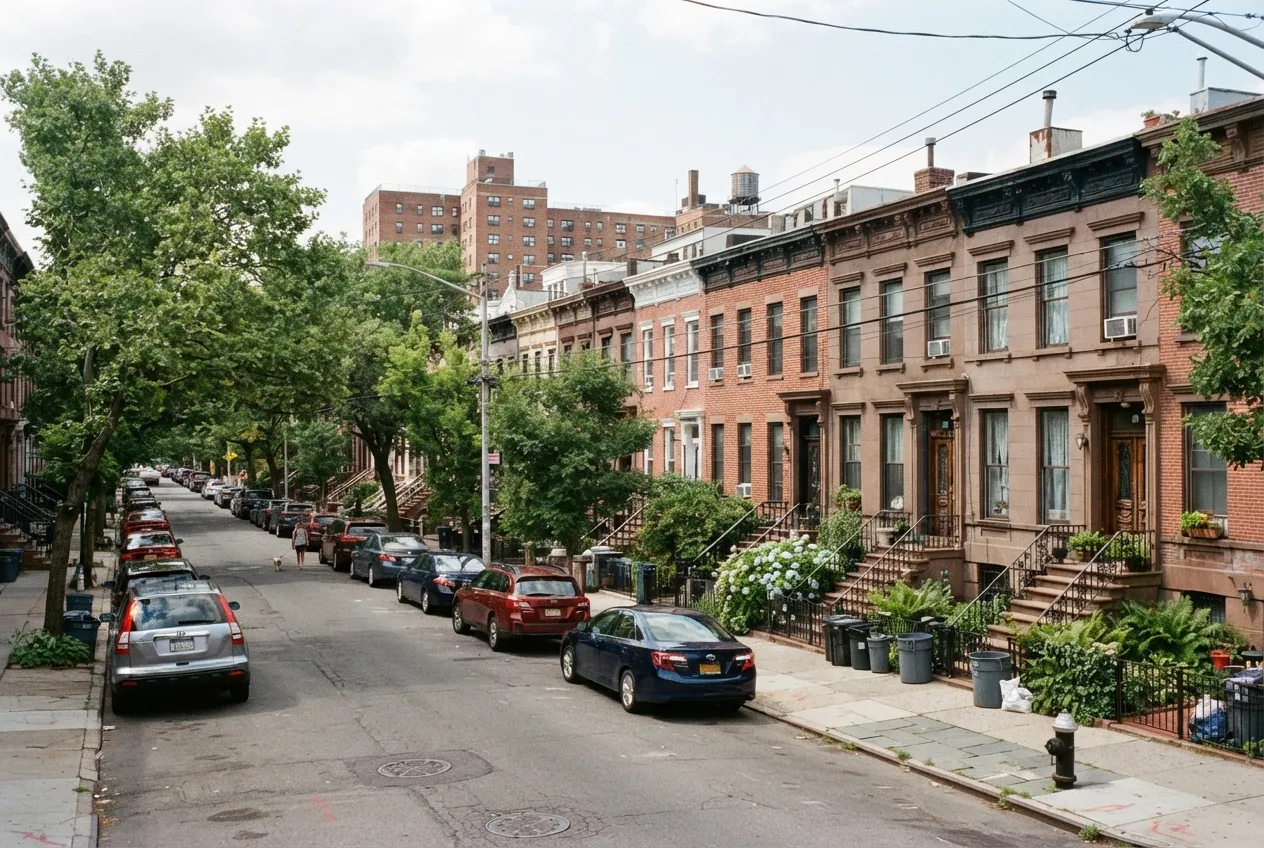
ProSweep Chimney Service cleans and inspects chimneys, fireplaces, dryer vents and air ducts across Brooklyn. Our certified technicians work in brownstones, row houses, walk-ups and small multifamily buildings, from Brooklyn Heights and DUMBO to Flatbush, Kensington and Bedford-Stuyvesant. Whether you burn wood in a parlor fireplace or run a gas boiler in the cellar, our job is the same: keep exhaust moving out of the house and keep soot, lint and debris from building up where they shouldn't.
Chimney Inspections and Sweeping
The NFPA 211 standard calls for chimneys, fireplaces and vents to be inspected once a year. Chimney professionals use three inspection levels. A Level 1 inspection is used when nothing about the system has changed. A Level 2 inspection is needed when the system changes, such as a new appliance or a switch of fuel, or when the home is sold. A Level 3 inspection is used when a hidden hazard can only be reached by opening part of the chimney or building.
Sweeping removes creosote and soot from wood-burning flues and clears nests and debris from any chimney. When the work is done, we walk you through what we found and what, if anything, needs attention.
Oil-to-Gas Conversions and Chimney Liners
Brownstones and row houses in neighborhoods like Park Slope, Crown Heights and Bedford-Stuyvesant often have masonry flues that weren't built with gas in mind. When a New York City building converts its boiler from oil to gas, the chimney has to be evaluated as part of the work. A new liner is often needed, because gas exhaust produces acidic condensate that can corrode a masonry flue. We evaluate the chimney, explain what the conversion requires and install a liner when one is needed.
Dryer Vent Cleaning
According to the U.S. Fire Administration, failure to clean is the leading factor contributing to clothes dryer fires in homes. In apartments and townhouses, dryer vents often run long distances through walls or up to the roof, which gives lint more places to collect. Call us if you notice any of these signs:
- Clothes need more than one cycle to dry
- The dryer or laundry area feels unusually hot
- You smell something burning while the dryer runs
- Little or no air comes out of the outside vent
Air Duct Cleaning, Only When It Makes Sense
We don't push duct cleaning as routine maintenance. The U.S. EPA advises cleaning air ducts when there is substantial visible mold growth, vermin, or excessive dust and debris, and it notes that duct cleaning has not been shown to prevent health problems. The EPA also suggests researching the process before responding to very cheap advertised offers, and being careful with chemical treatments. We look at your system first and tell you plainly whether cleaning is worth doing.
Timing Your Service and Where We Work
New York City's heat season runs from October 1 through May 31, when building owners must keep apartments heated to the city's minimum temperatures. Scheduling an inspection before the season starts gives landlords, co-op boards and homeowners time to fix flue problems before the heating system is running every day.
We serve Carroll Gardens, Cobble Hill, Gowanus, Red Hook, Park Slope, Windsor Terrace, South Slope, Prospect Heights, Brooklyn Heights, Downtown Brooklyn, DUMBO, Boerum Hill, Sunset Park, Fort Greene, Clinton Hill, Kensington, Borough Park, Prospect Lefferts Gardens, Wingate, Crown Heights, Ditmas Park, Parkville, Flatbush, South Williamsburg and Bedford-Stuyvesant.
Communities we serve here
- Carroll Gardens
- Cobble Hill
- Gowanus
- Red Hook
- Park Slope
- Windsor Terrace
- South Slope
- Prospect Heights
- Brooklyn Heights
- Downtown Brooklyn
- DUMBO
- Boerum Hill
- Sunset Park
- Fort Greene
- Clinton Hill
- Kensington
- Borough Park
- Prospect Lefferts Gardens
- Wingate
- Crown Heights
- Ditmas Park
- Parkville
- Flatbush
- South Williamsburg
- Bedford-Stuyvesant