
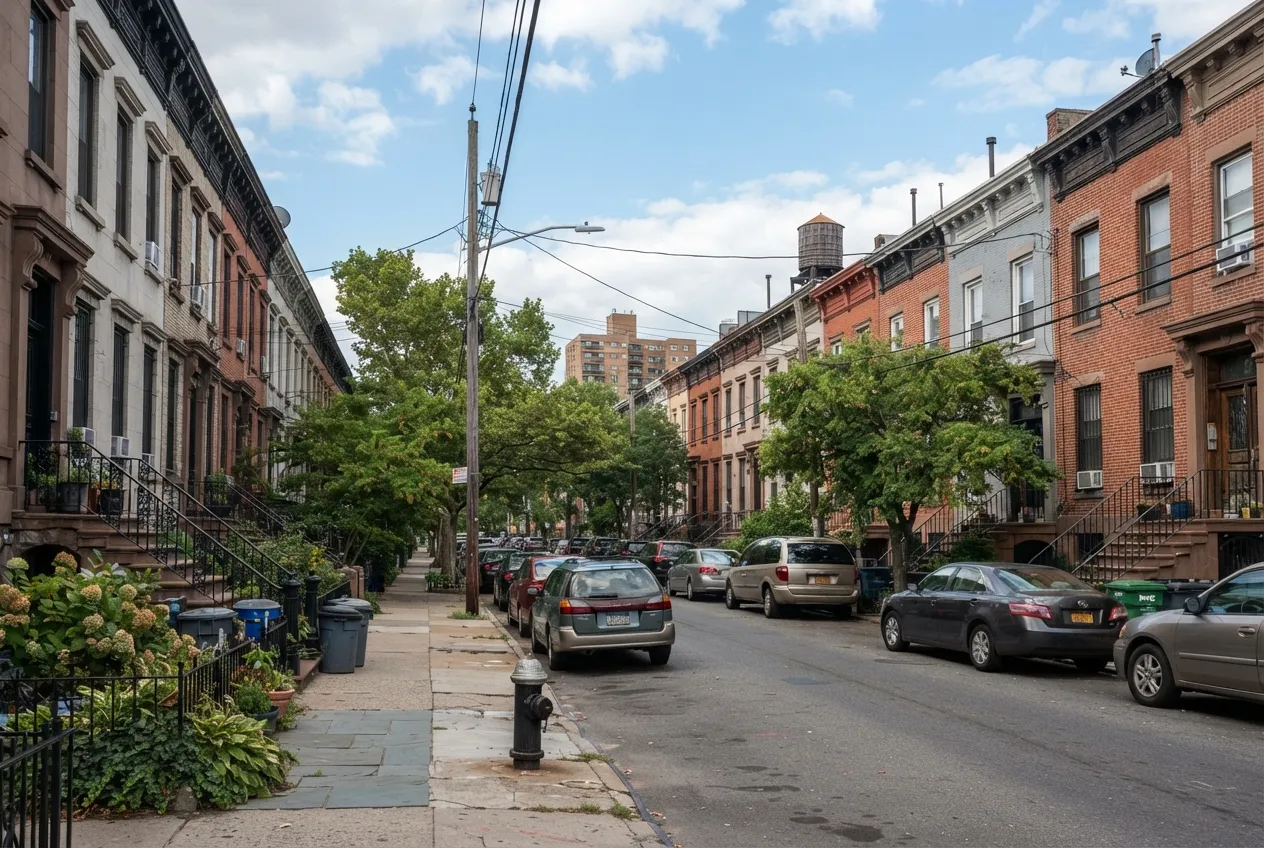
The short answer
ProSweep Chimney Service cleans and inspects chimneys, air ducts and dryer vents across lower Manhattan, including the Financial District, Battery Park City, Chinatown, Two Bridges and the Lower East Side. We plan each visit around building rules and follow the yearly inspection schedule set out in NFPA 211.
Manhattan's housing runs from 19th-century tenement walk-ups to recently converted office towers, and every building type routes smoke, exhaust and air in its own way. ProSweep Chimney Service sends certified technicians to the Financial District, Battery Park City, Chinatown, Two Bridges and the Lower East Side to clean and inspect chimneys, flues, air ducts and dryer vents. We work with apartment owners, co-op and condo residents, and the supers and managers who keep these buildings running.
Planning Around Elevators, Supers and House Rules
Most Manhattan buildings have rules for outside contractors, such as set service hours, freight elevator reservations, and advance notice to the super or management office. When you book, we ask about those details so our visit fits the building's schedule.
Inside the unit, we lay drop cloths from the door to the work area and run HEPA-filtered vacuums while we brush, so soot and lint stay out of hallways and neighbors' spaces. If a flue serves more than one apartment, we'll explain what we found and who in the building should hear about it.
How the Work Differs Across Downtown Neighborhoods
The buildings in each part of lower Manhattan differ, and the systems inside them do too.
- Financial District: many residences sit in former office buildings, where shared ventilation and in-unit dryer vents often run long distances to reach an exterior wall.
- Battery Park City: newer residential towers with mechanical ventilation, where dryer exhaust and air ducts usually need more attention than chimneys.
- Chinatown and Two Bridges: older walk-ups and mixed-use buildings, where apartments may share flues with heating equipment or sit above ground-floor businesses.
- Lower East Side: tenement-era buildings with original masonry chimneys, some sealed off and some still connected to boilers or fireplaces.
Dryer Vents and Ducts in Compact Apartments
Apartment dryers often vent through long, bent runs tucked behind cabinets or above ceilings. Lint builds up at each turn, and the U.S. Fire Administration identifies failure to clean as the leading factor in home clothes dryer fires. We clear the full run from the machine to the exterior outlet and check that the termination cap opens freely.
For air ducts, we follow EPA guidance: cleaning makes sense when there is substantial visible mold, signs of vermin, or heavy dust and debris. The EPA also notes that duct cleaning hasn't been shown to prevent health problems, so we won't promise that, and we won't apply any chemical treatment without explaining it first.
Inspections, Fuel Conversions and Heating Season
The NFPA 211 standard calls for a yearly inspection of chimneys, fireplaces and vents. A Level 1 inspection covers a system that hasn't changed. A Level 2 inspection applies after a change such as a new appliance or a fuel switch, or when the home is sold. A Level 3 inspection is reserved for hidden hazards that require opening part of the chimney or building.
When a building converts its boiler from oil to gas, the chimney has to be evaluated, and a new liner is often needed because gas exhaust creates acidic condensate that can corrode masonry flues. The city's heat season runs October 1 through May 31, so late summer is the easiest window to finish this work before the boiler has to carry the load.