
The short answer
A chimney liner is the protective channel inside the flue that carries exhaust safely out of the house. Older Boerum Hill chimneys often have cracked clay tile, bare brick or oversized flues. A new liner is commonly needed when a building converts from oil to gas or connects a new appliance.
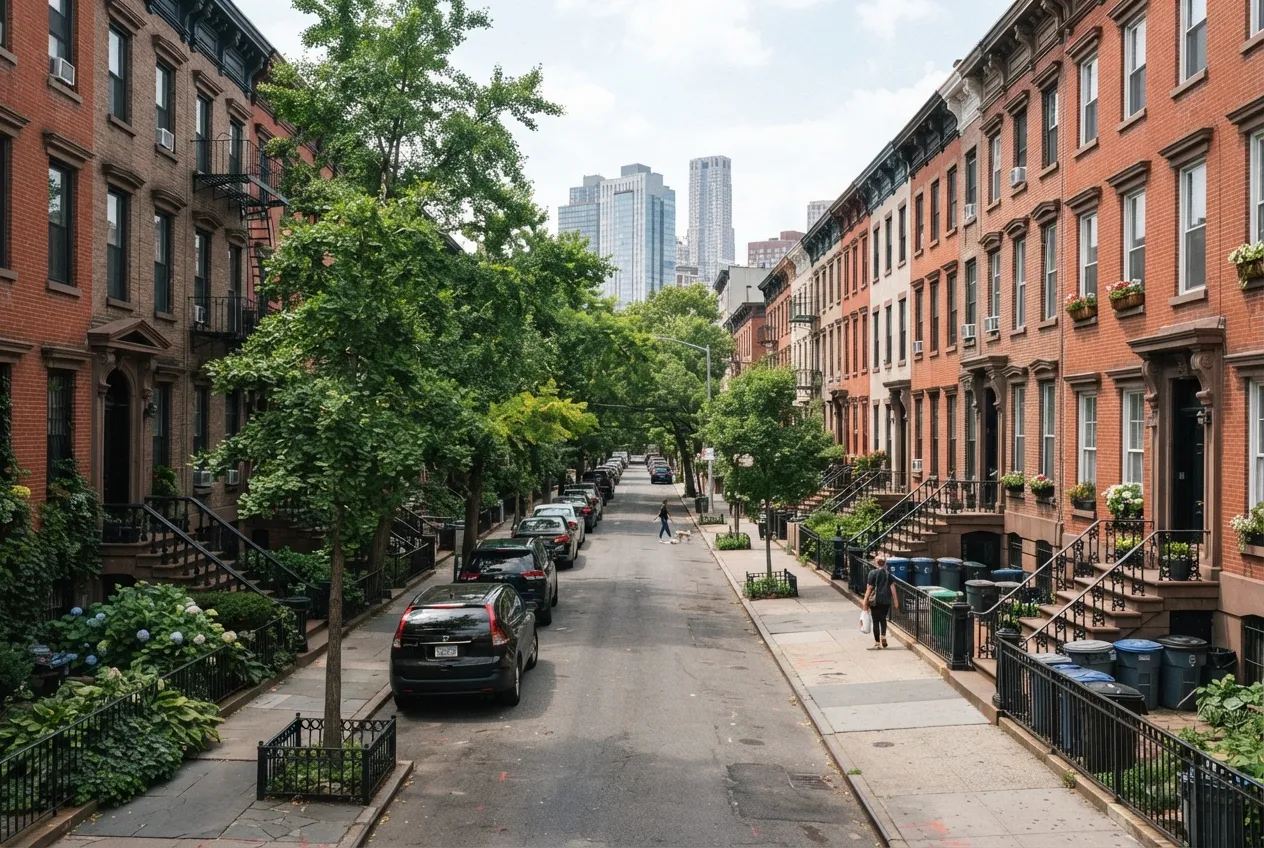
Many Boerum Hill homes were built long before modern heating equipment, and their chimneys show it. Brownstones, rowhouses and pre-war apartment buildings in the neighborhood often vent a boiler, water heater or fireplace through a masonry flue that was never designed for today's exhaust. A properly sized liner protects that masonry and helps combustion gases leave the house the way they should. ProSweep Chimney Service installs chimney liners throughout Boerum Hill and the 11201 area, about 2 miles north of our Brooklyn office.
Why Older Boerum Hill Chimneys Need Liners
A liner is the channel inside the chimney that carries smoke and combustion gases up and out. In older masonry chimneys, that channel may be bare brick, clay tile that has cracked or shifted, or a flue far larger than the appliance now connected to it. Each of these problems can let heat, gases or moisture reach parts of the structure they shouldn't.
In attached rowhouses and brownstones, chimneys often run inside shared walls and alongside neighboring flues. Gaps in a deteriorated flue can let exhaust drift where it was never meant to go. That is one reason a sound liner matters in close-set Brooklyn housing.
- Crumbling mortar or flakes of tile falling into the firebox or cleanout
- White staining or damp spots on chimney walls inside the house
- A new boiler, furnace or water heater connected to an old flue
- Smoke or odors that linger instead of drafting up the chimney
- An inspection report noting cracked, missing or offset flue tiles
Oil-to-Gas Conversions and Your Chimney
Many Boerum Hill buildings have moved, or are planning to move, from oil heat to gas. When a New York City building converts its boiler from oil to gas, the chimney has to be evaluated as part of the work, and a new liner is often needed. The reason is chemistry: gas exhaust produces acidic condensate, and that moisture can corrode a masonry flue over time.
If a conversion is on your calendar, bring the chimney into the plan early rather than after the new boiler is set. We can inspect the flue, tell you whether a liner is needed, and coordinate timing with your heating contractor so the system is ready to run.
How We Install a Chimney Liner
Every job starts with an inspection. The NFPA 211 standard calls for a Level 2 inspection when a heating system changes, such as a new appliance or a switch of fuel, or when a home is sold. That typically includes a camera look inside the flue so we can see its condition from top to bottom.
From there, we choose and size the liner for the appliance it will serve. A liner that is too large or too small for a boiler or water heater can affect draft, so careful measurement matters as much as the material.
- Clean and inspect the existing flue, including a video camera scan
- Measure the flue and confirm the appliance's venting needs
- Install the liner from the roof down and connect it at the base
- Add a top plate and cap to keep out rain, debris and animals
- Check draft and walk you through what we found and what we did
Planning Around Heat Season
New York City's heat season runs from October 1 through May 31, and building owners must keep apartments heated to the city's minimum temperatures during that time. For owners of multi-unit brownstones and small apartment buildings in Boerum Hill, timing matters. A liner installation that requires shutting down the boiler is easier to schedule in the warmer months.
If a problem shows up mid-winter, we'll explain your options and how long the heating system is likely to be offline, so you can plan for tenants or family.
After installation, keep up with yearly inspections. NFPA 211 calls for chimneys, fireplaces and vents to be inspected once a year, and a new liner is no exception.
Serving Boerum Hill and Nearby Neighborhoods
Our certified technicians work throughout Boerum Hill and the 11201 ZIP code, as well as Downtown Brooklyn, DUMBO, Brooklyn Heights, Carroll Gardens and Cobble Hill. Whether you have a single-family brownstone with a wood-burning fireplace or a pre-war building venting a central boiler, we'll look at the chimney you actually have and recommend only what it needs.
More services in Boerum Hill
- Chimney Sweep in Boerum Hill
- Chimney Inspection in Boerum Hill
- Chimney Repair in Boerum Hill
- Air Duct Cleaning in Boerum Hill